Istanbul Trip 2023
The Richest City In The World
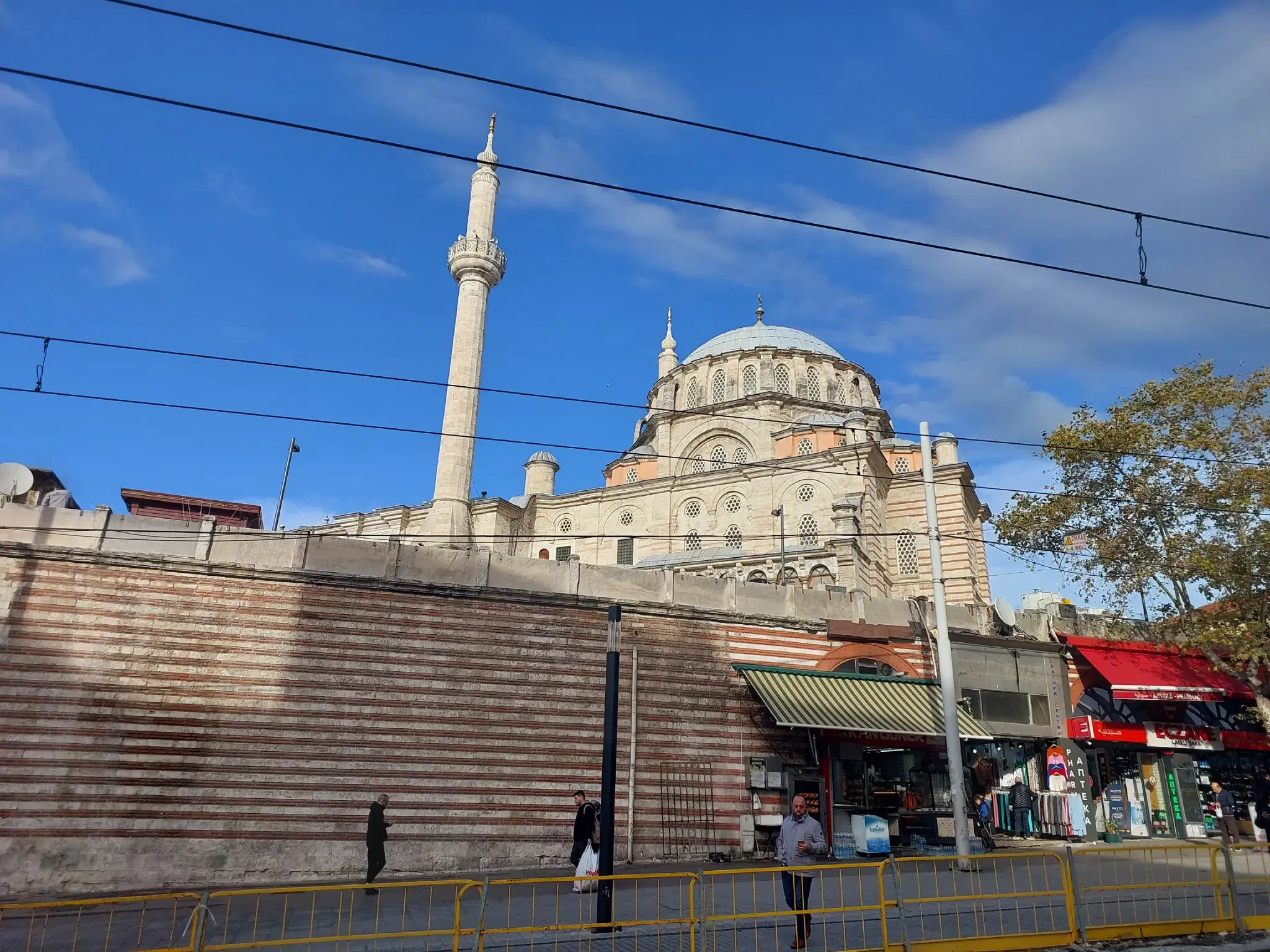
Home Away From Home
Turkey is a soup of cultures that have moved through and settled in since ancient times. On the street, nobody looks out of place — people here are of all colors, races, and religions. Mosques next to churches and kebabs served next to noodles. I never felt estranged in Istanbul; on the contrary, I always felt relevant and right at home. Being a Middle Eastern Muslim myself, I’m always steps away from all the familiar tastes, aromas and dialects.
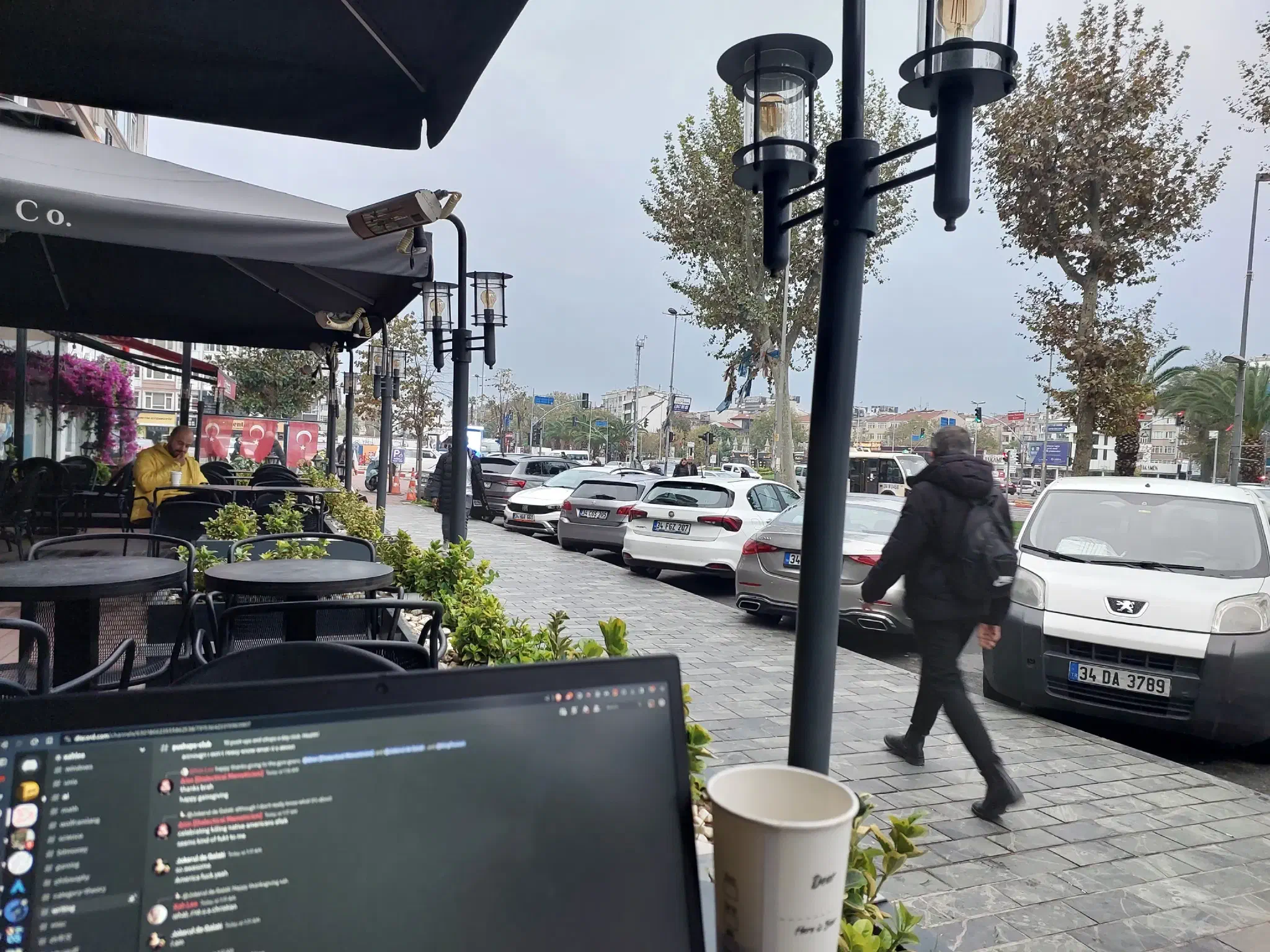
This wasn’t exactly a trip. I keep a home in Istanbul, and every return picks up where the last left off — the same streets, the same vendors, the same mosque marking the turn toward my flat. A month here isn’t sightseeing; it’s the other half of my life resuming. I come here to disconnect, to meditate, to rethink my choices without the usual noise. The feeling of being away, yet still at home — that is Istanbul.
Constantinople
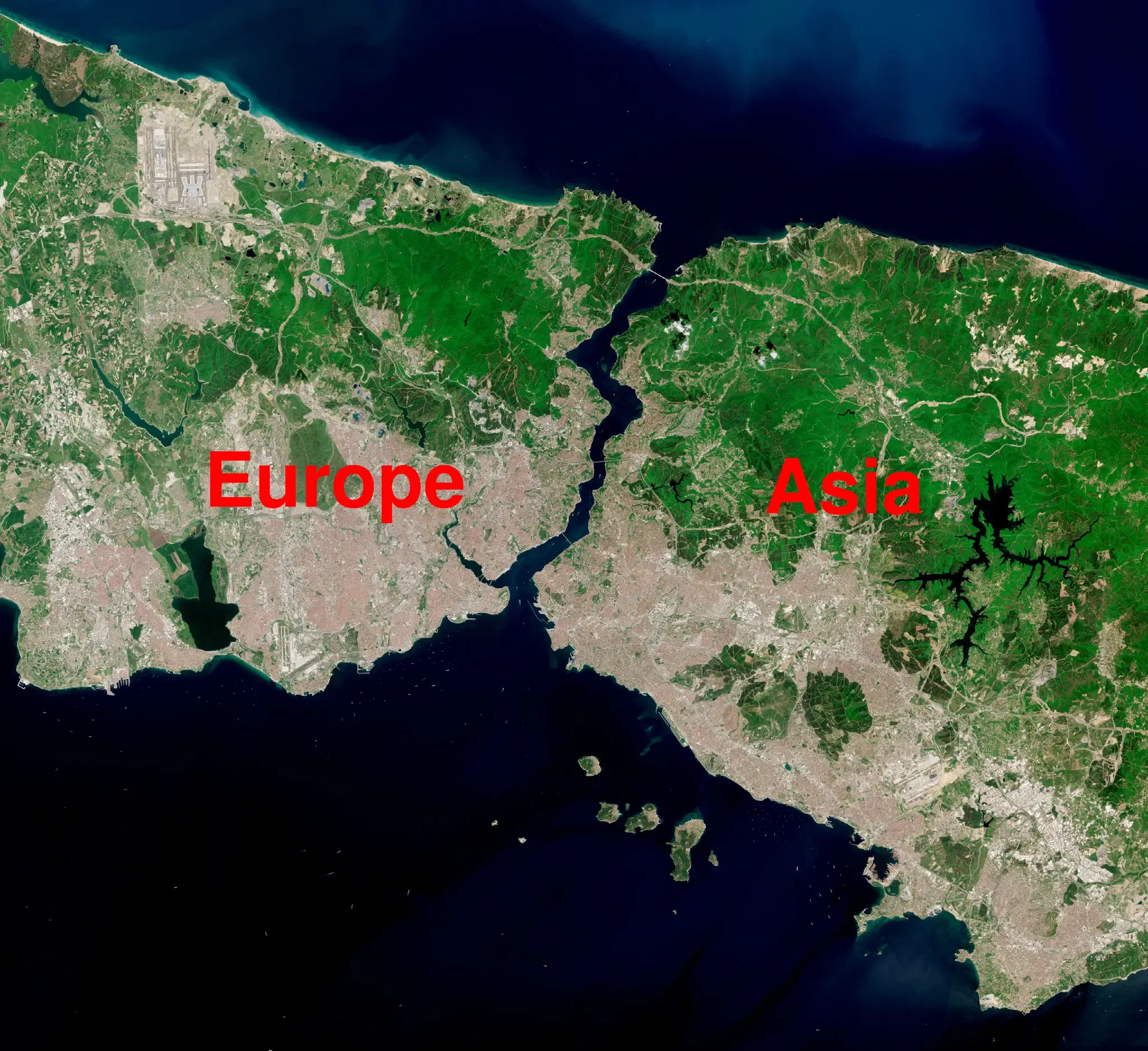
As you walk down the streets of Istanbul, you can feel the overwhelming depth of history. Watching as building stones gradually change shape, texture and color, you will realize a lot has happened here. Some of these stones and buildings have been there for hundreds or even thousands of years. Constantinople — modern-day Istanbul — is an ancient city. Its location is strategic, sitting at the front steps of Europe. It’s also a gateway connecting two continents and two seas, making air, land and sea trade possible across Africa, Asia and Europe. No wonder the Romans wanted to claim it and crown it as the new Rome!
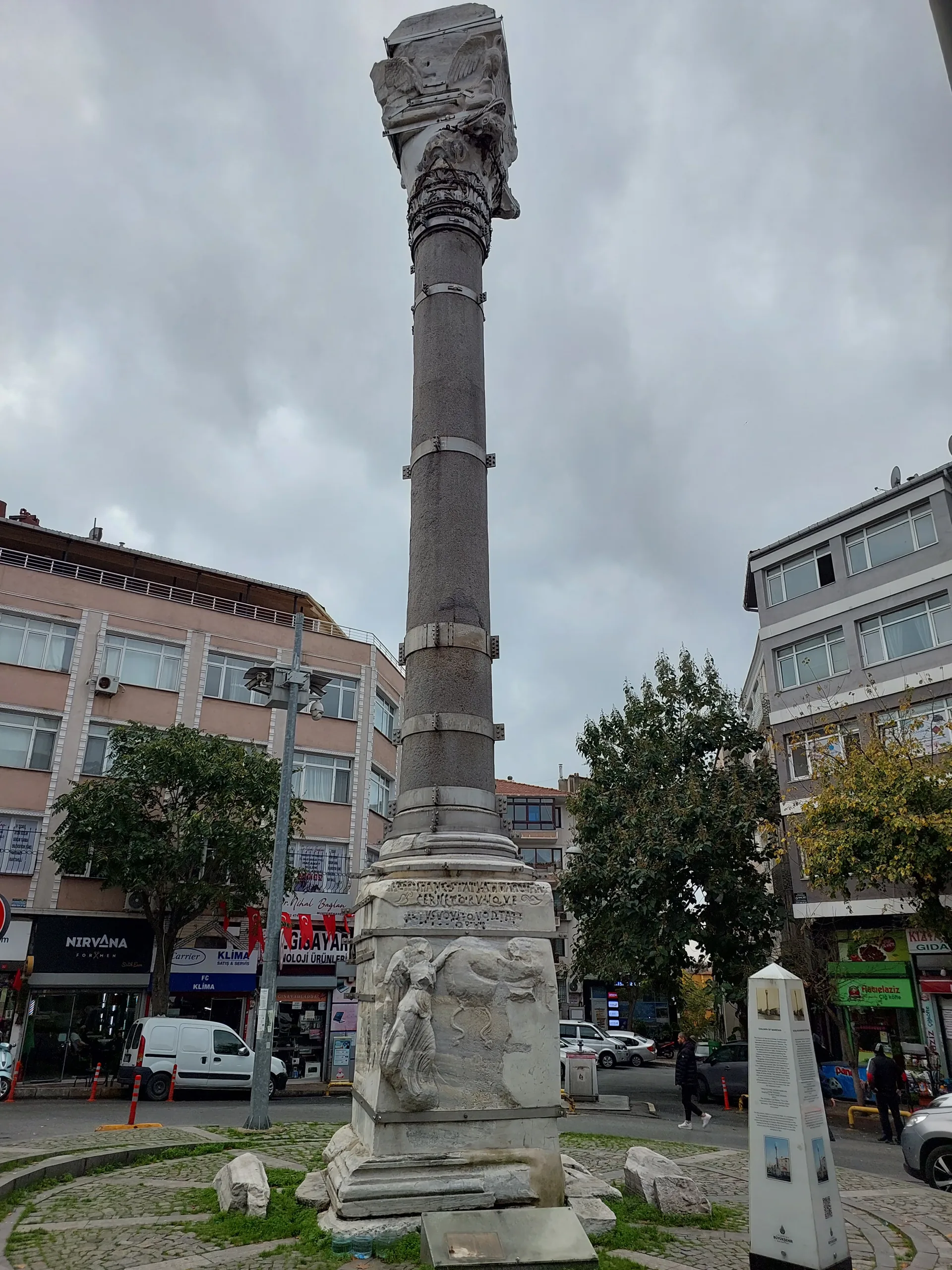
The Byzantine layer is still right there under your feet. I encountered the Column of Marcian by chance — it was standing there, in the center of an ordinary roundabout, failing to blend into the mundane modern surroundings.
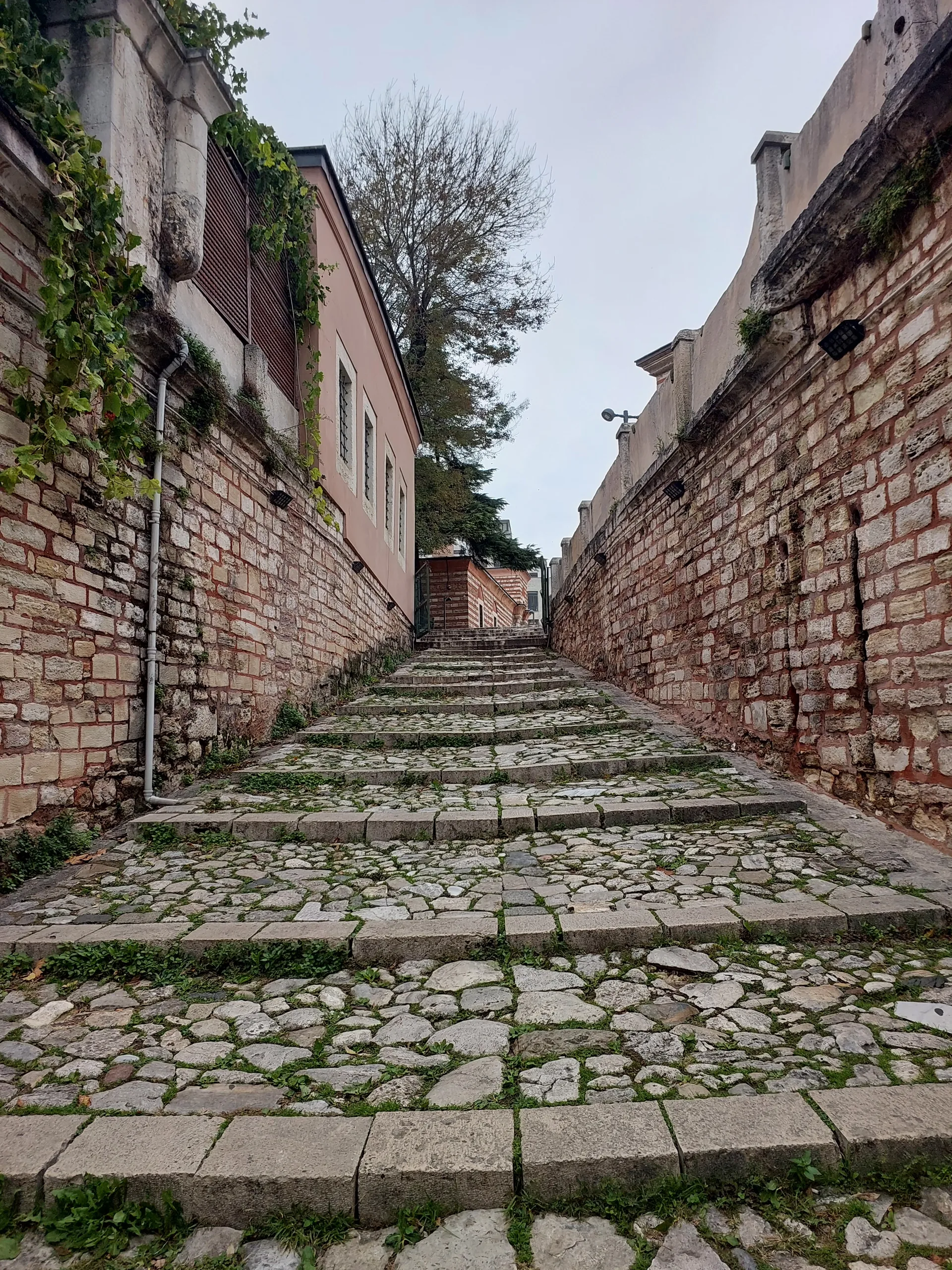
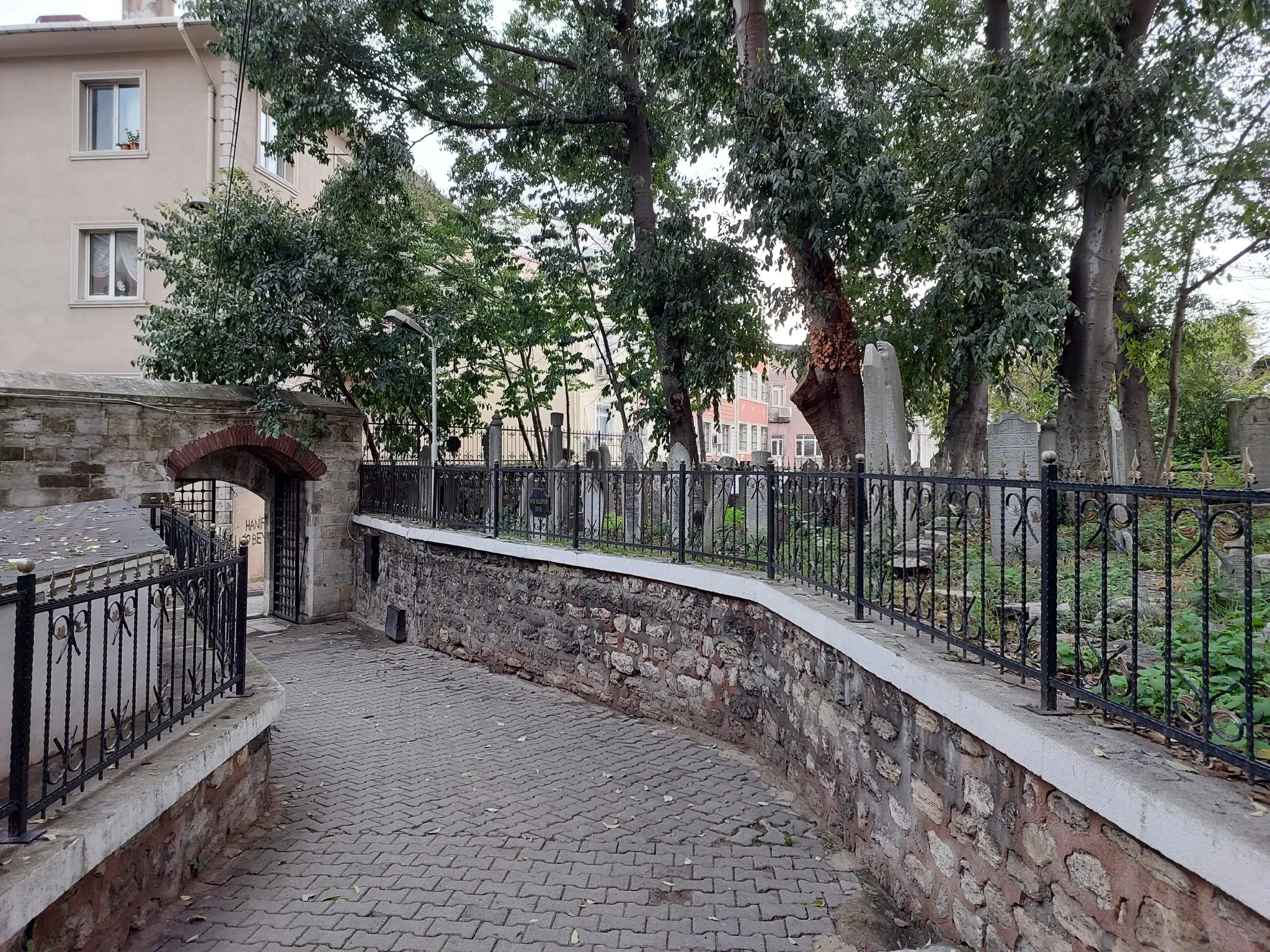
And the layers keep stacking. Five minutes past the column, on the same walk, an Ottoman cemetery rests behind a low iron fence — weathered headstones under old trees, an apartment building growing right up beside them. Nobody around me gave it a second look. In this city, the past doesn’t live behind museum glass; it shares the block.
Mosques Everywhere
Mosques are everywhere in Istanbul, each with its own history, architecture and backstory. You don’t seek them out — they punctuate every walk, from imperial complexes to neighborhood mosques wedged between apartment blocks.
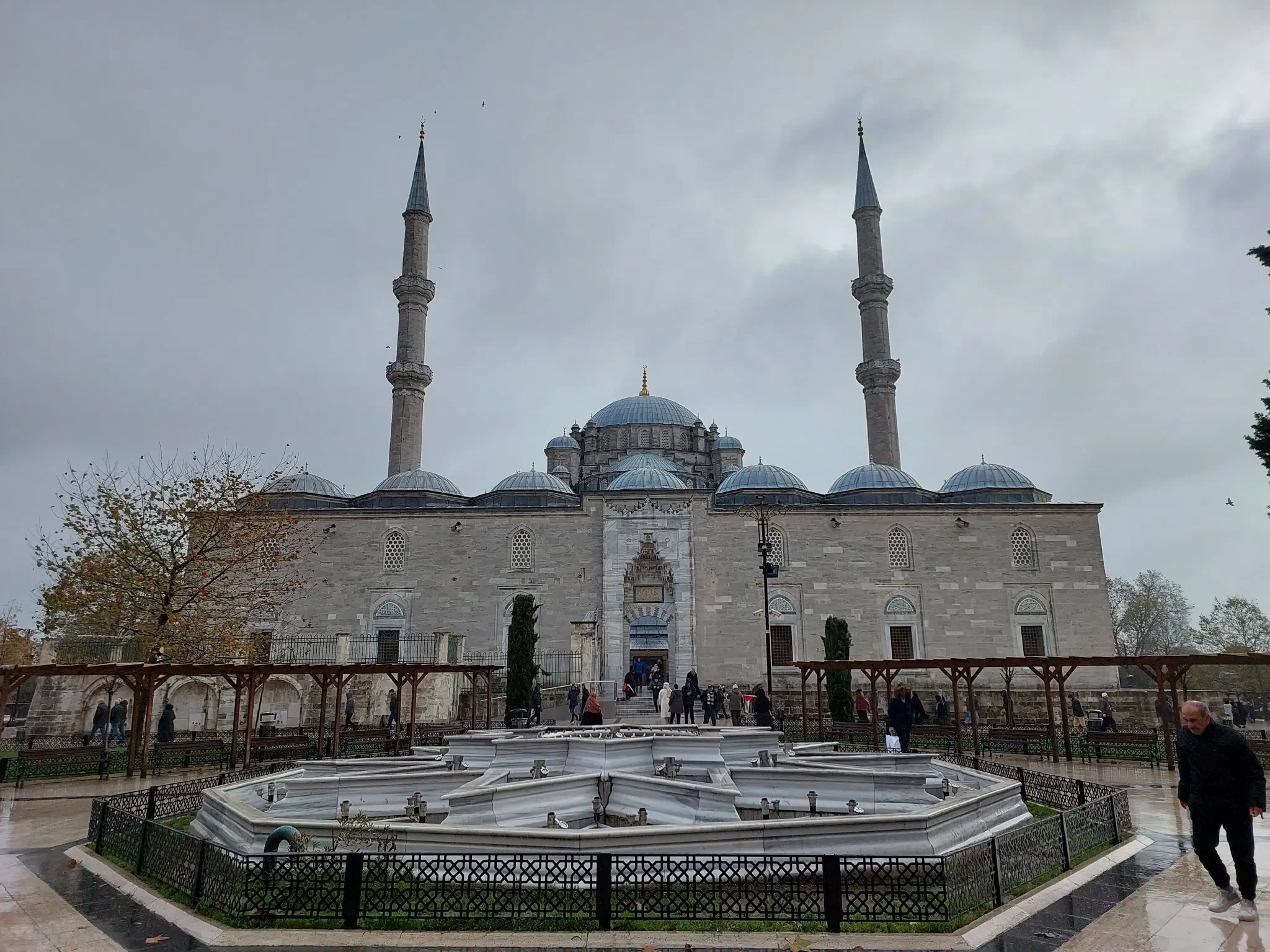
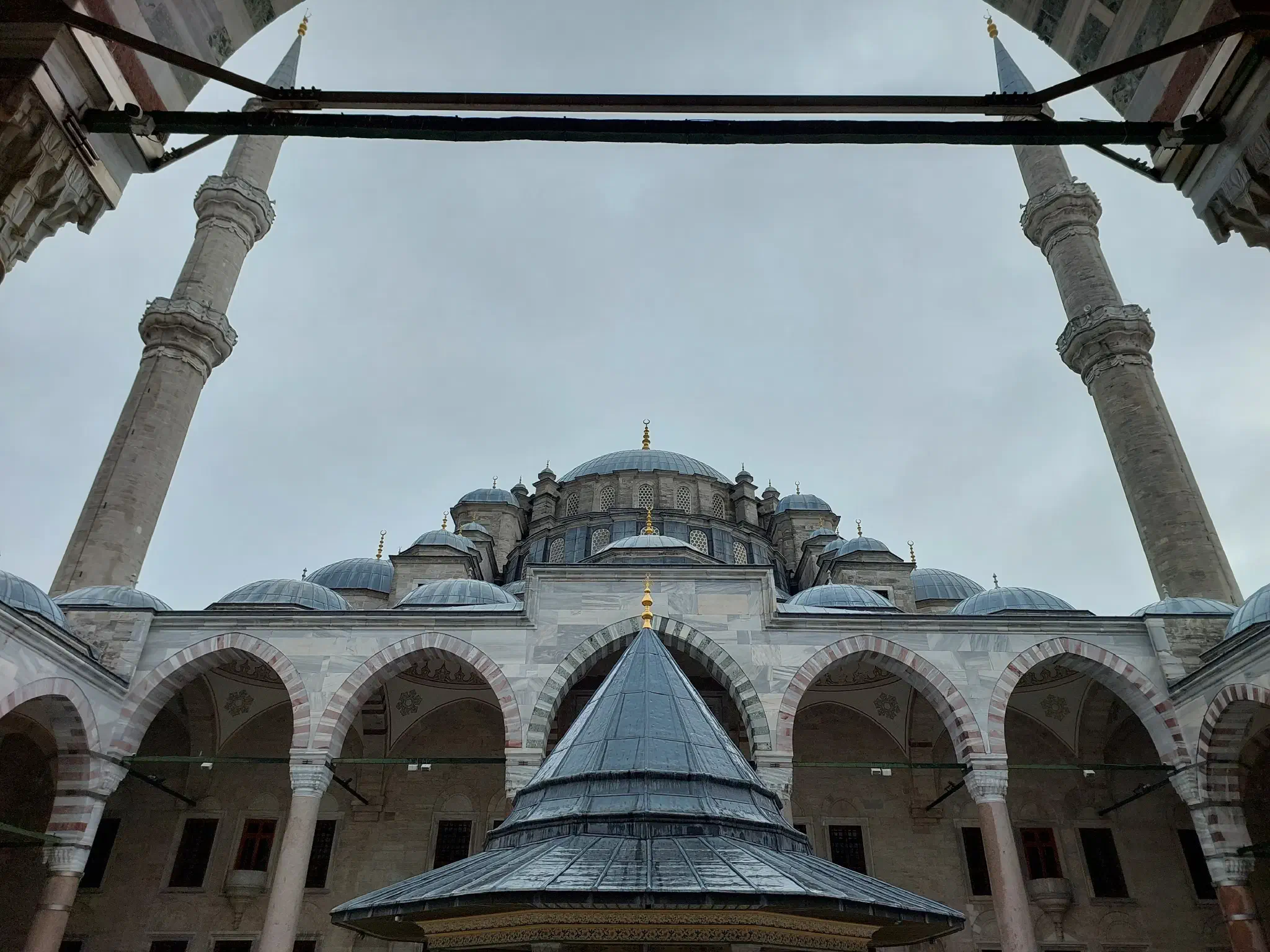
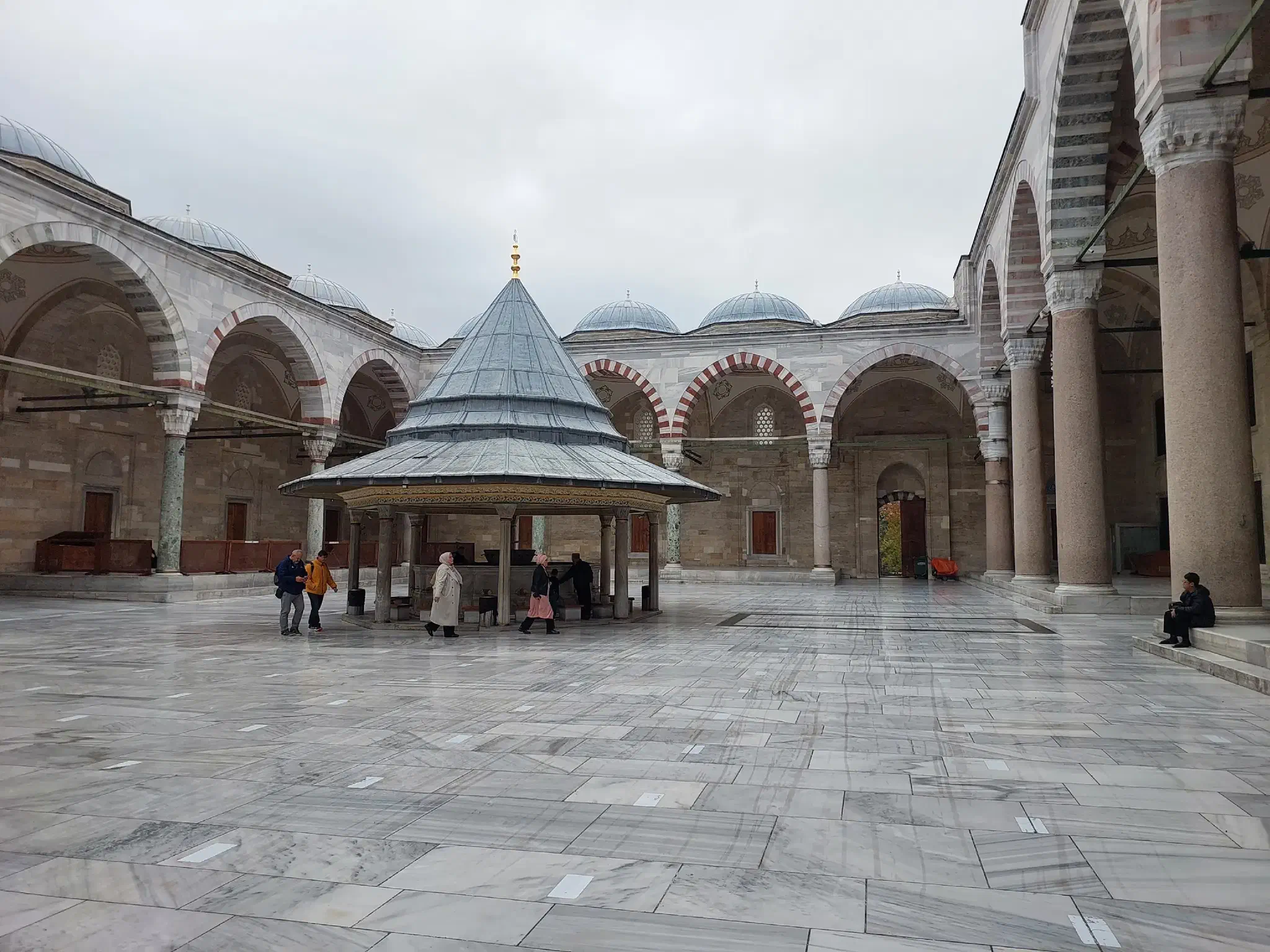
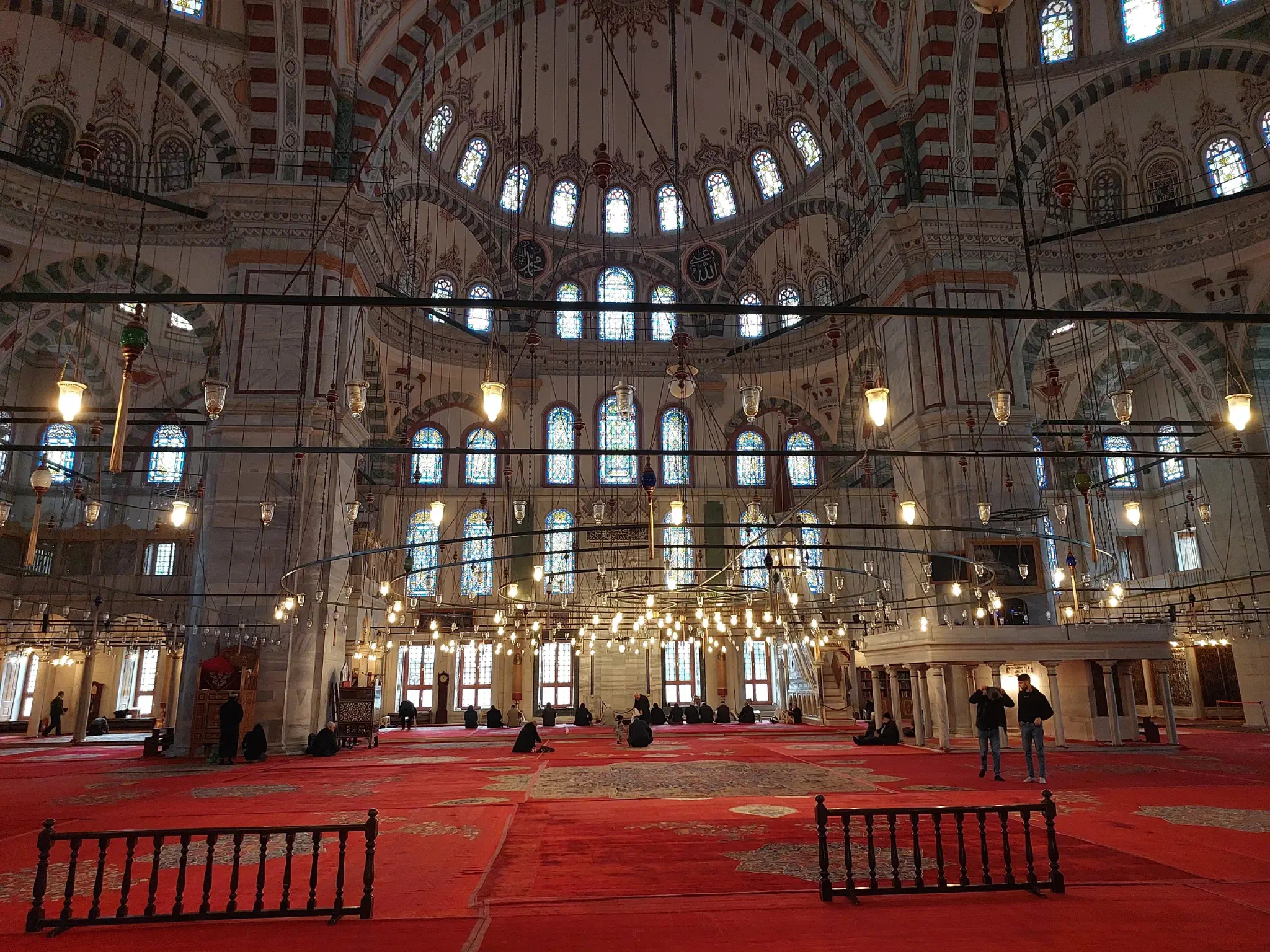
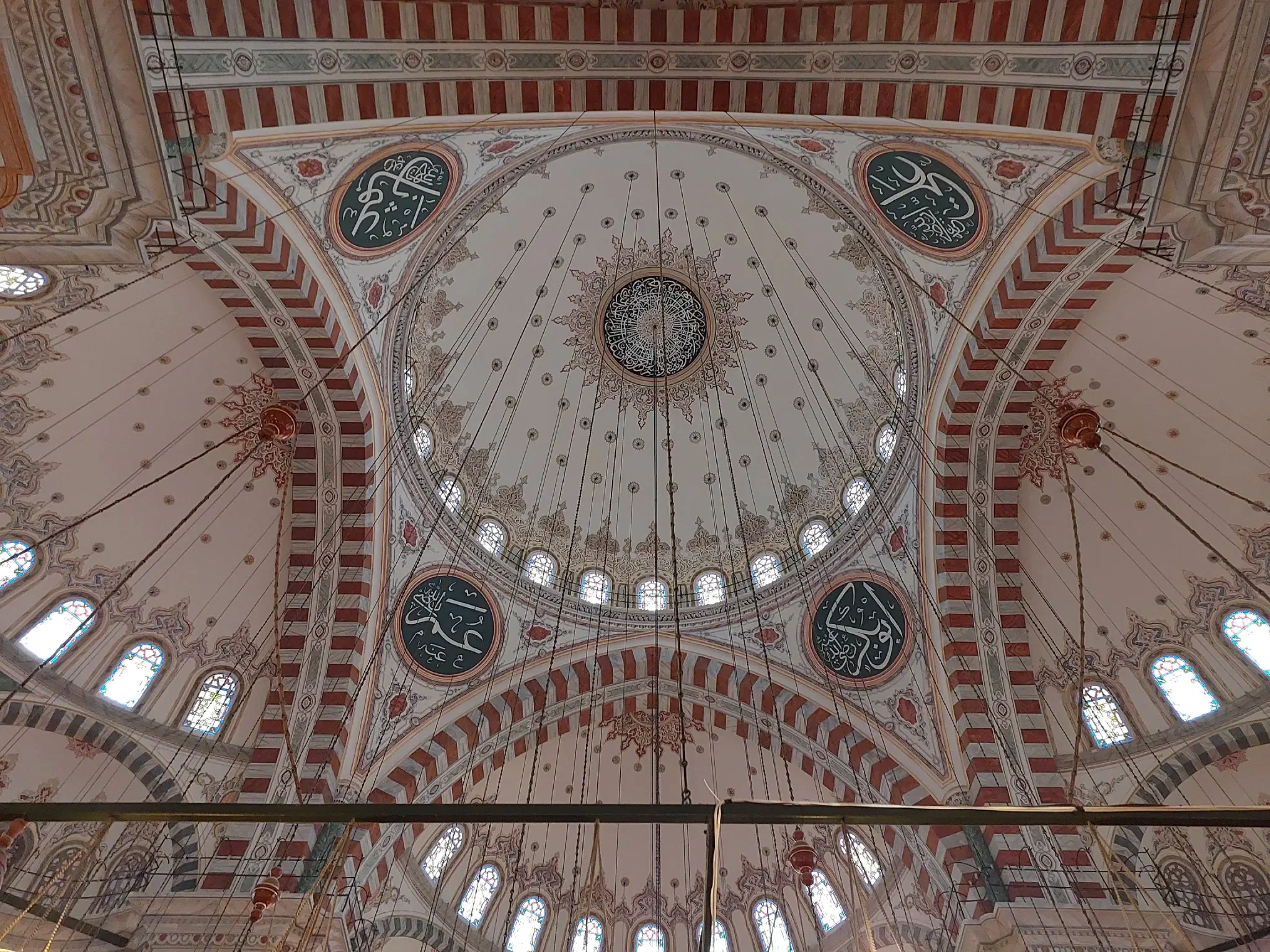
The Fatih Mosque was the one that stayed with me. Built by Mehmet the Conqueror over the ruins of the Church of the Holy Apostles, partially destroyed by an earthquake and rebuilt — it wears the city’s whole story in one building.
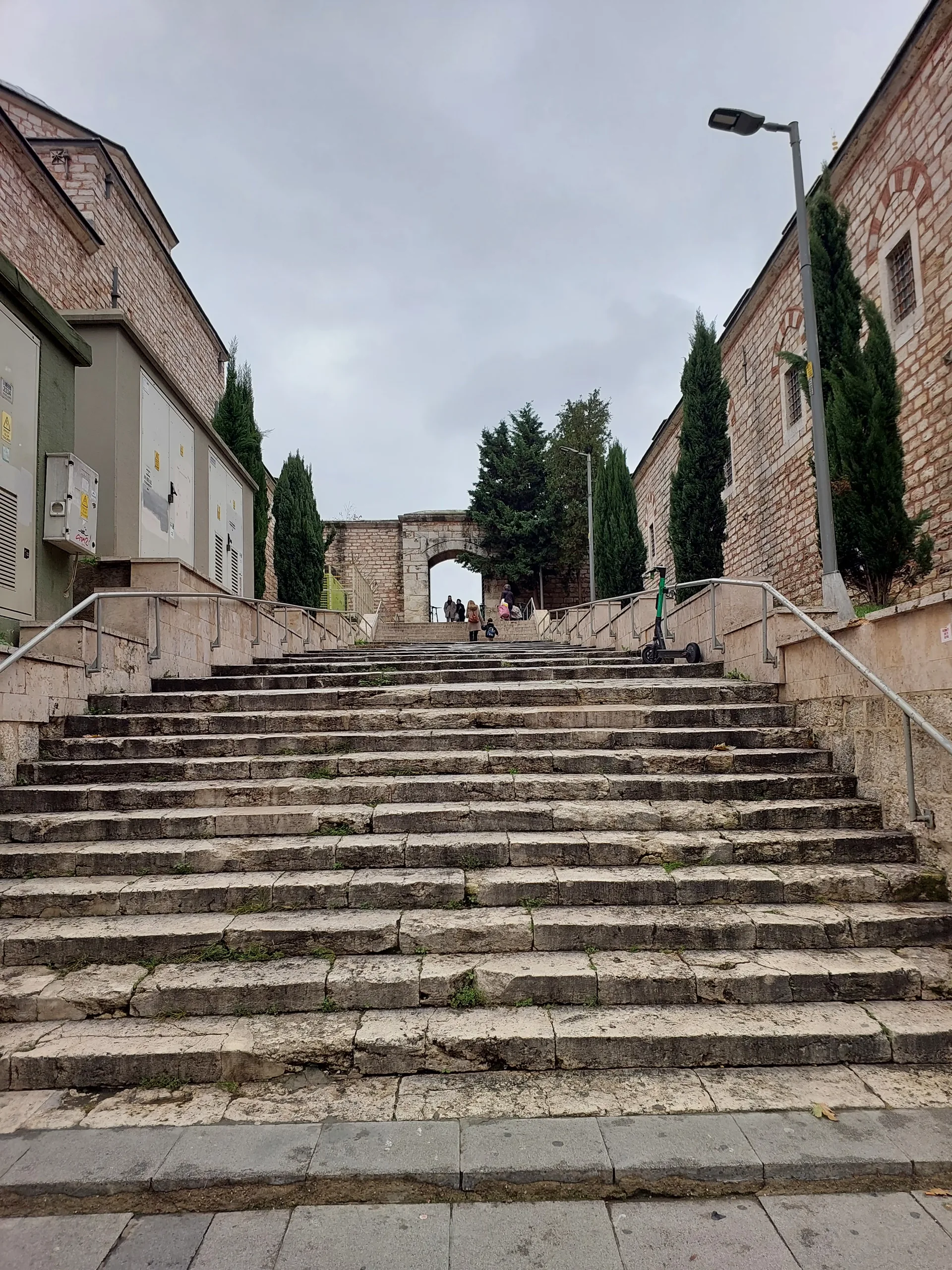
Every Friday, the call to prayer is heard all across Aksaray. Multiple Quran reciters take turns reading different verses before the prayer begins — and they are not your average reciters, but the best Turkey has to offer. Magnificent sounds echo through every corner of Aksaray, drawing you closer and closer. I followed the sound, climbed the tiring stone steps, and finally faced the full grandeur of the Fatih Mosque.
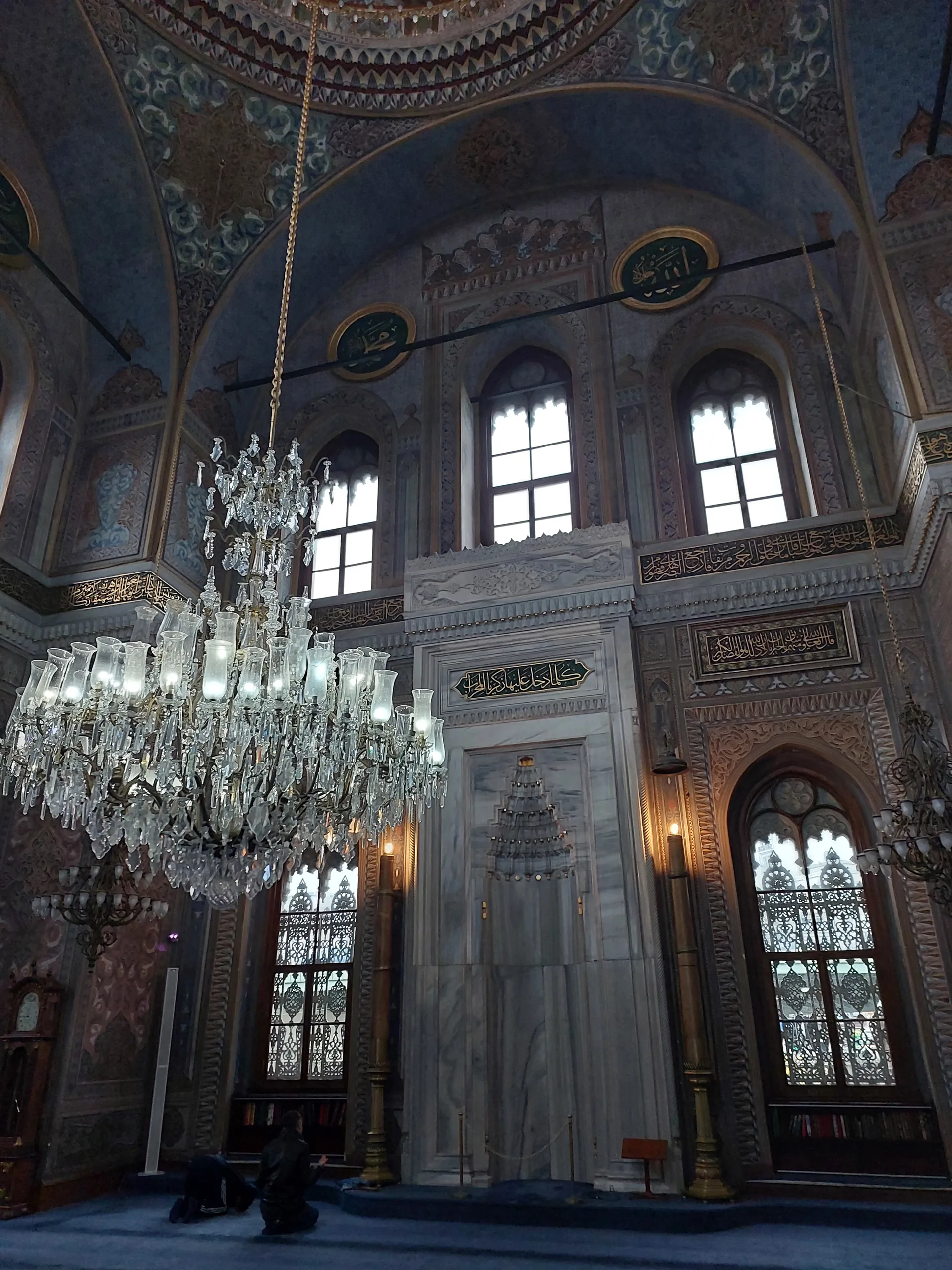
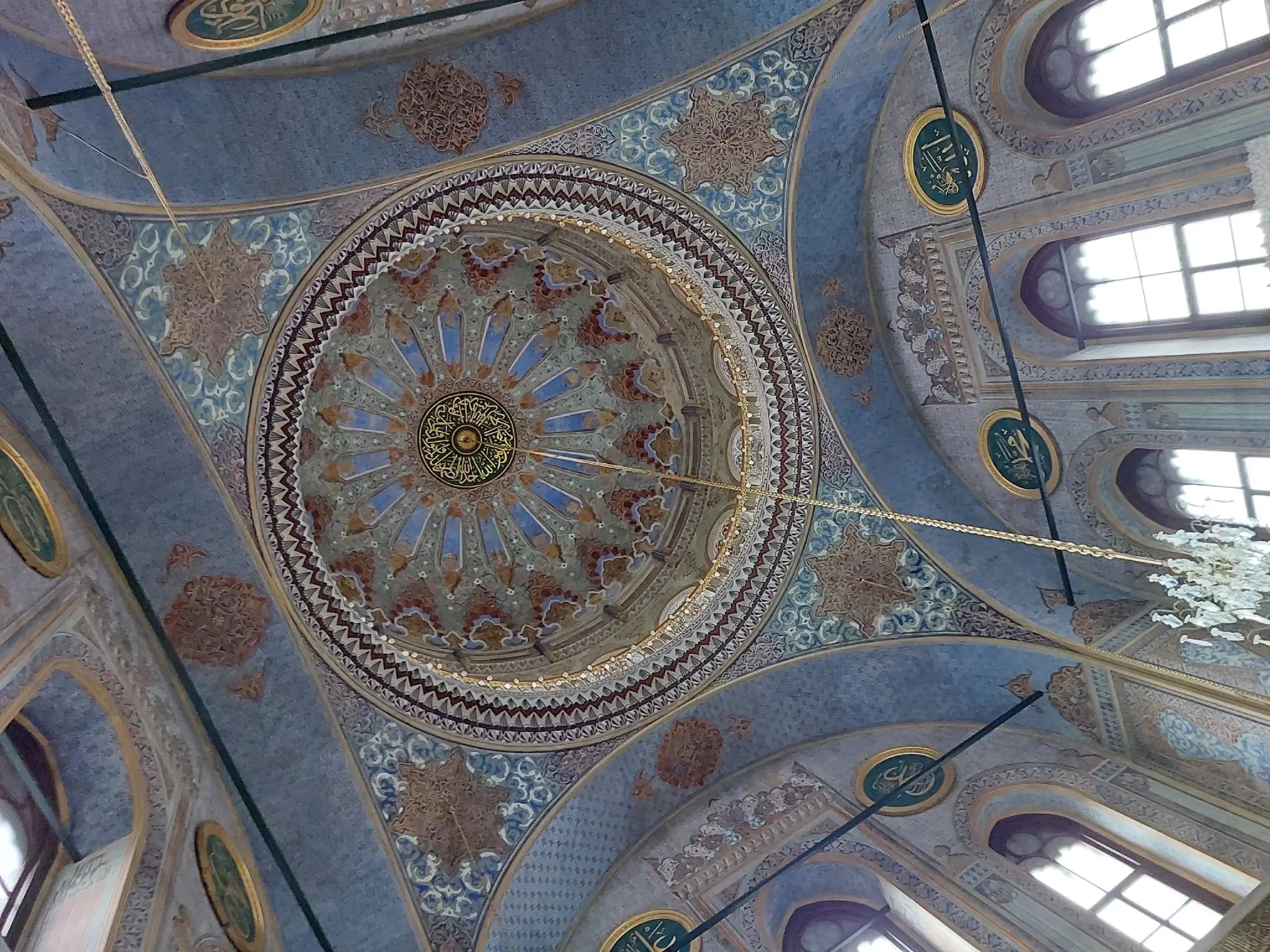
In Aksaray, the Pertevniyal Valide Sultan Mosque kept crossing my path — I photographed it on three different days without once planning to. Built in 1871 for the mother of Sultan Abdülaziz, it’s late-Ottoman ornament turned all the way up. It is one of the last great imperial mosques of the Ottoman era.
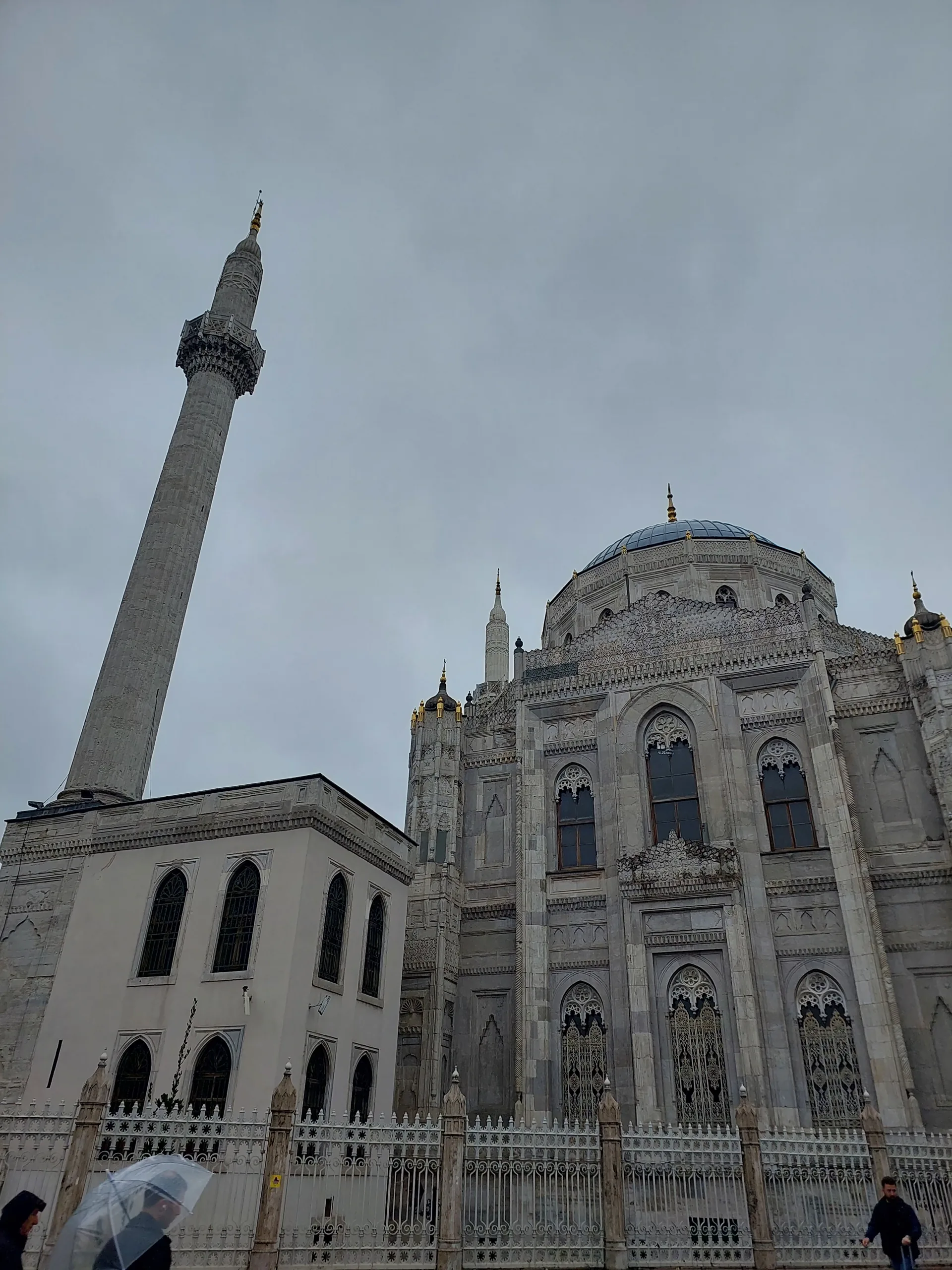
The building is an example of Turkish Rococo with dollops of classical Ottoman, Moroccan, Gothic, Renaissance, and Empire styles. The first time I walked past this mosque, I approached it from the back and truly thought it was a church. The Gothic-inspired walls and tall, narrow windows gave it a very European feel. Only when I came around the corner did the minaret appear — and then I knew.
Streets & Bazaars
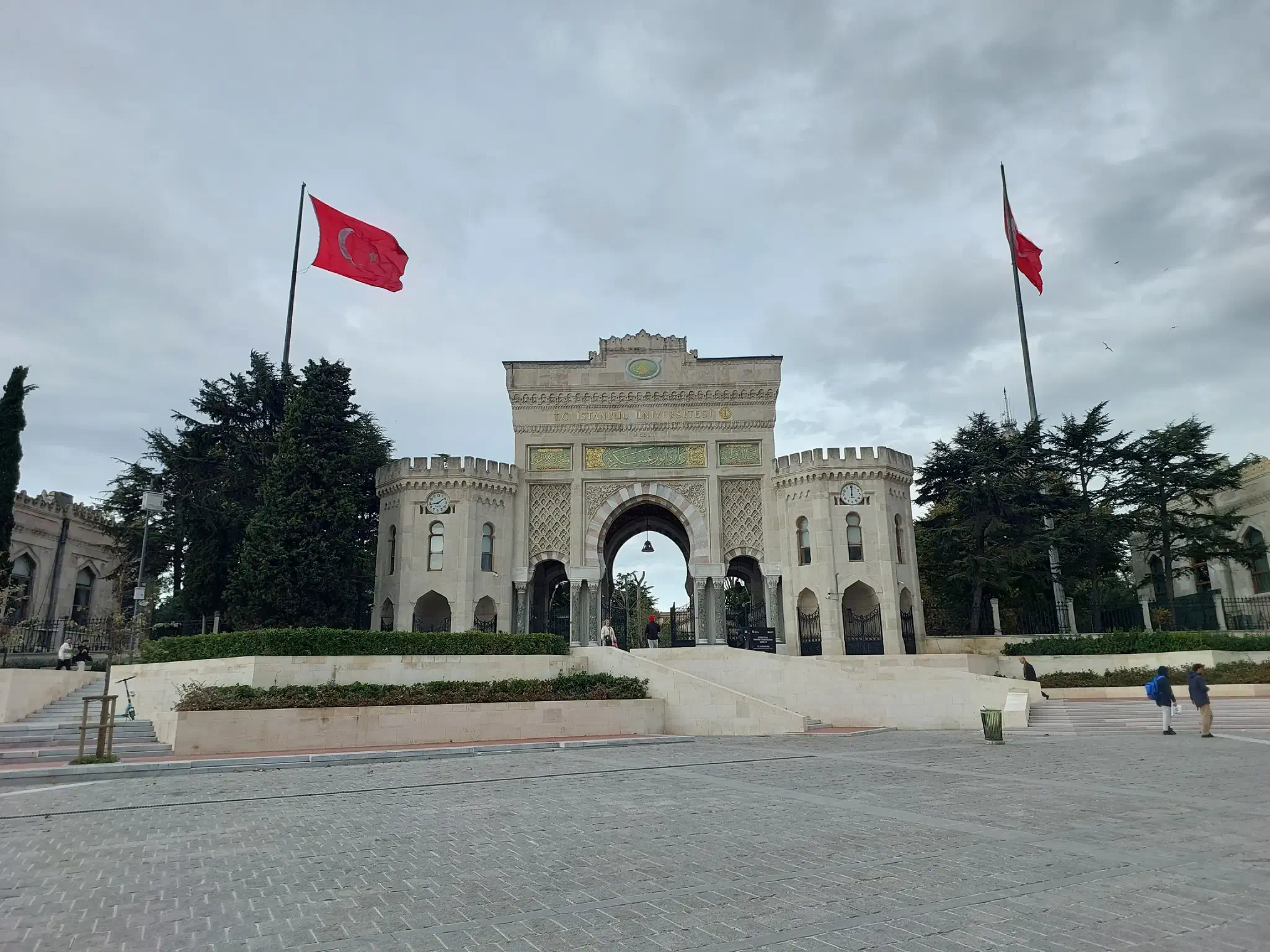
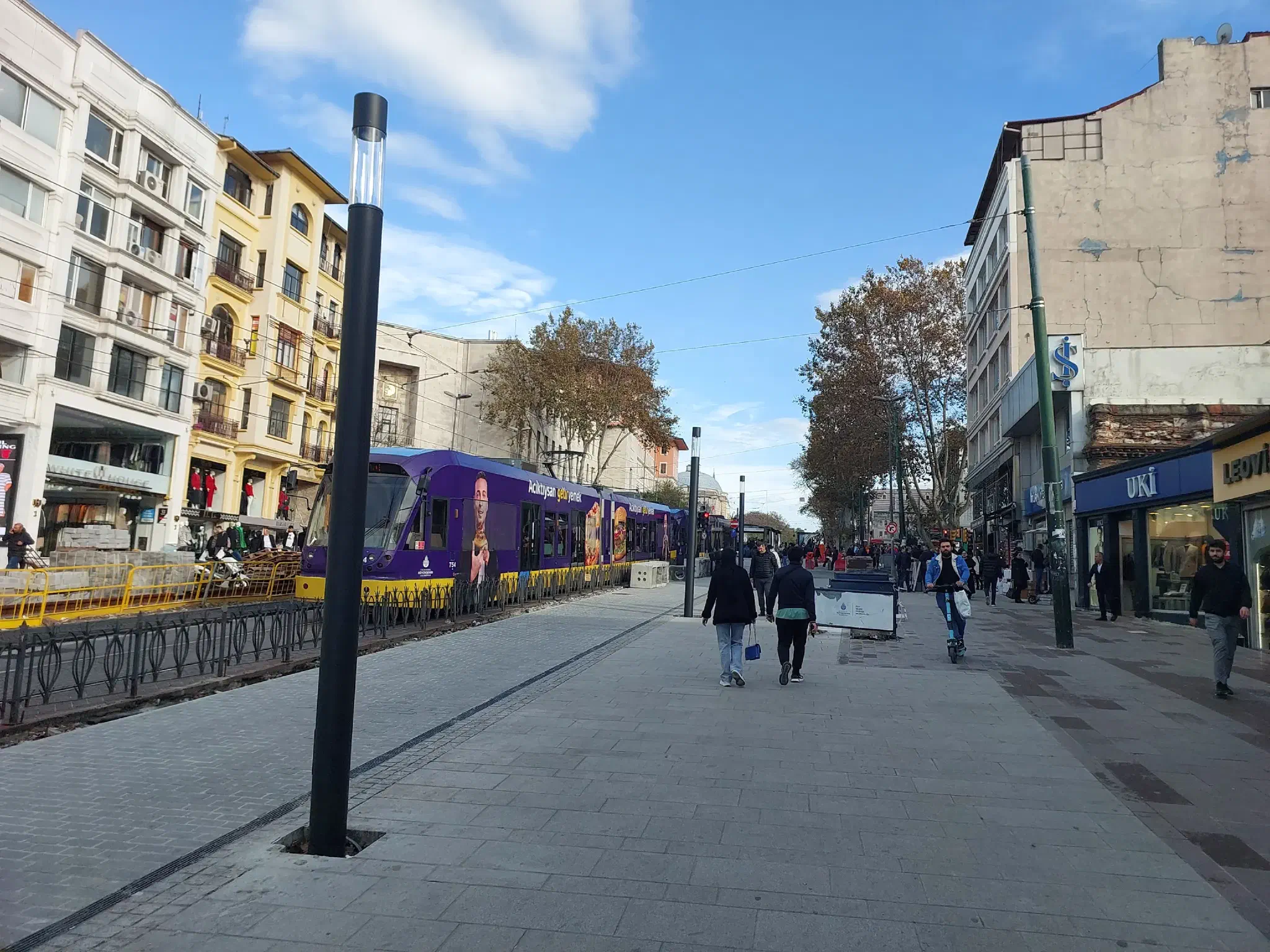
The streets around the Grand Bazaar are one continuous marketplace, and they have been for over five centuries. I spent a day just walking the district — past the gate of Istanbul University at Beyazit Square, down avenues where trams slide between the shoppers — with no plan other than to see what these streets sell.
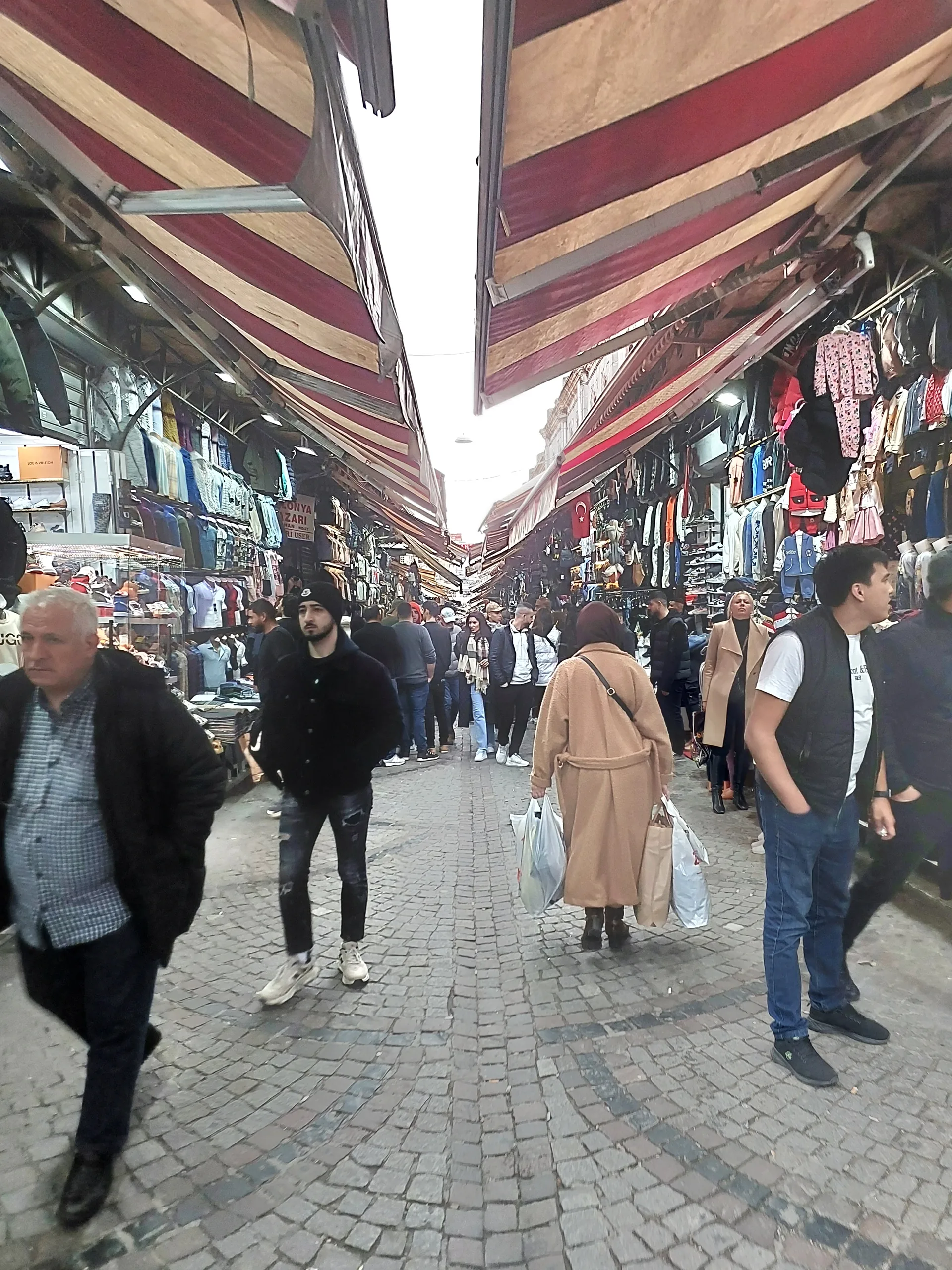
Inside the Grand Bazaar, I didn’t buy a thing. Vendors kept trying to wave me into their shops, and I just kept walking and watching — racks of clothes, cases of jewelry, lamps, carpets, gold. Watching was plenty.
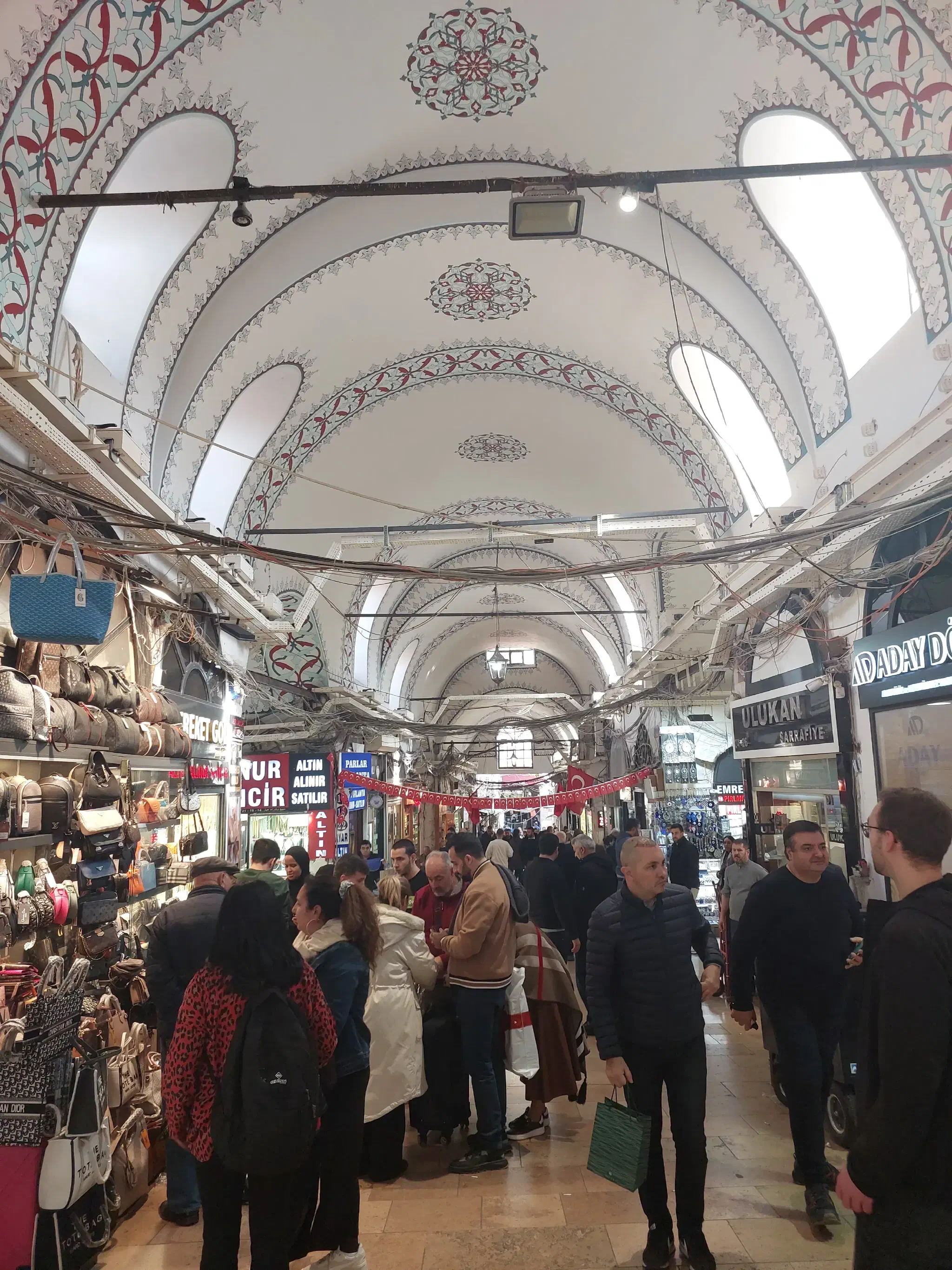
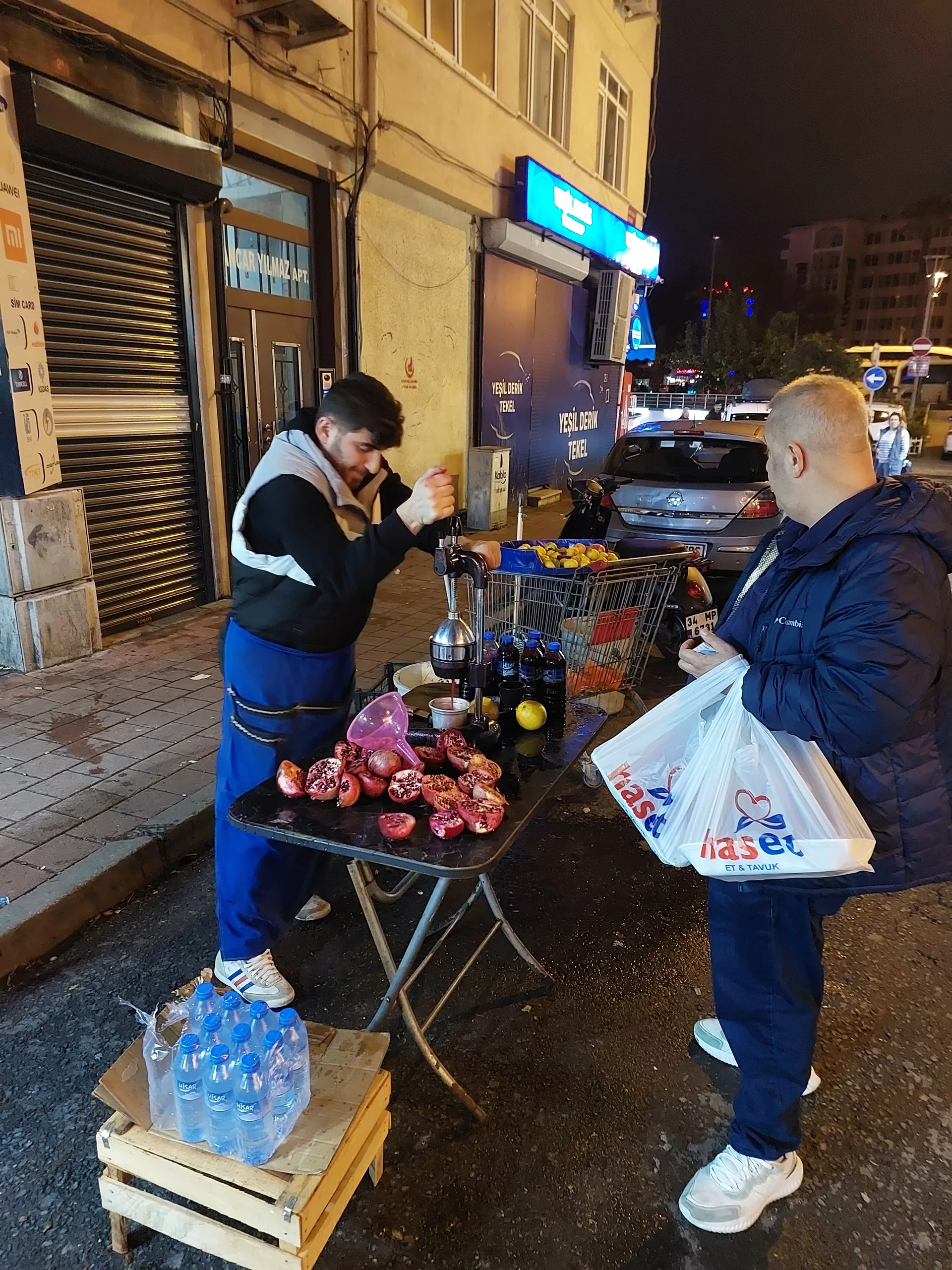
Out on the streets, the commerce continues at a smaller scale. I ate from a corn cart — fresh, hot, and the price is negligible. And I stood a while watching the pomegranate-juice vendor: locals kept arriving with their own empty bottles for him to fill, which tells you everything you need to know about the juice.
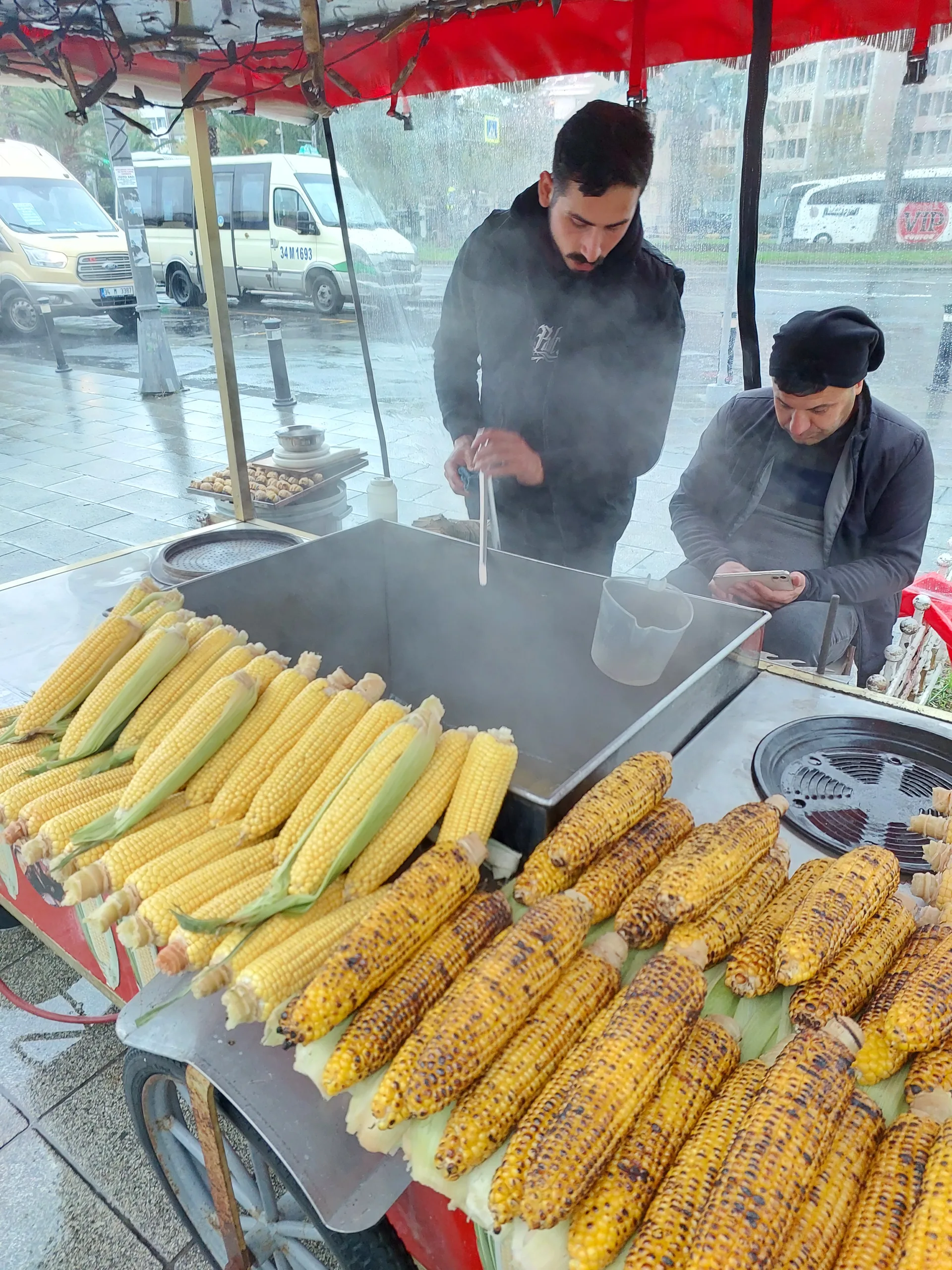
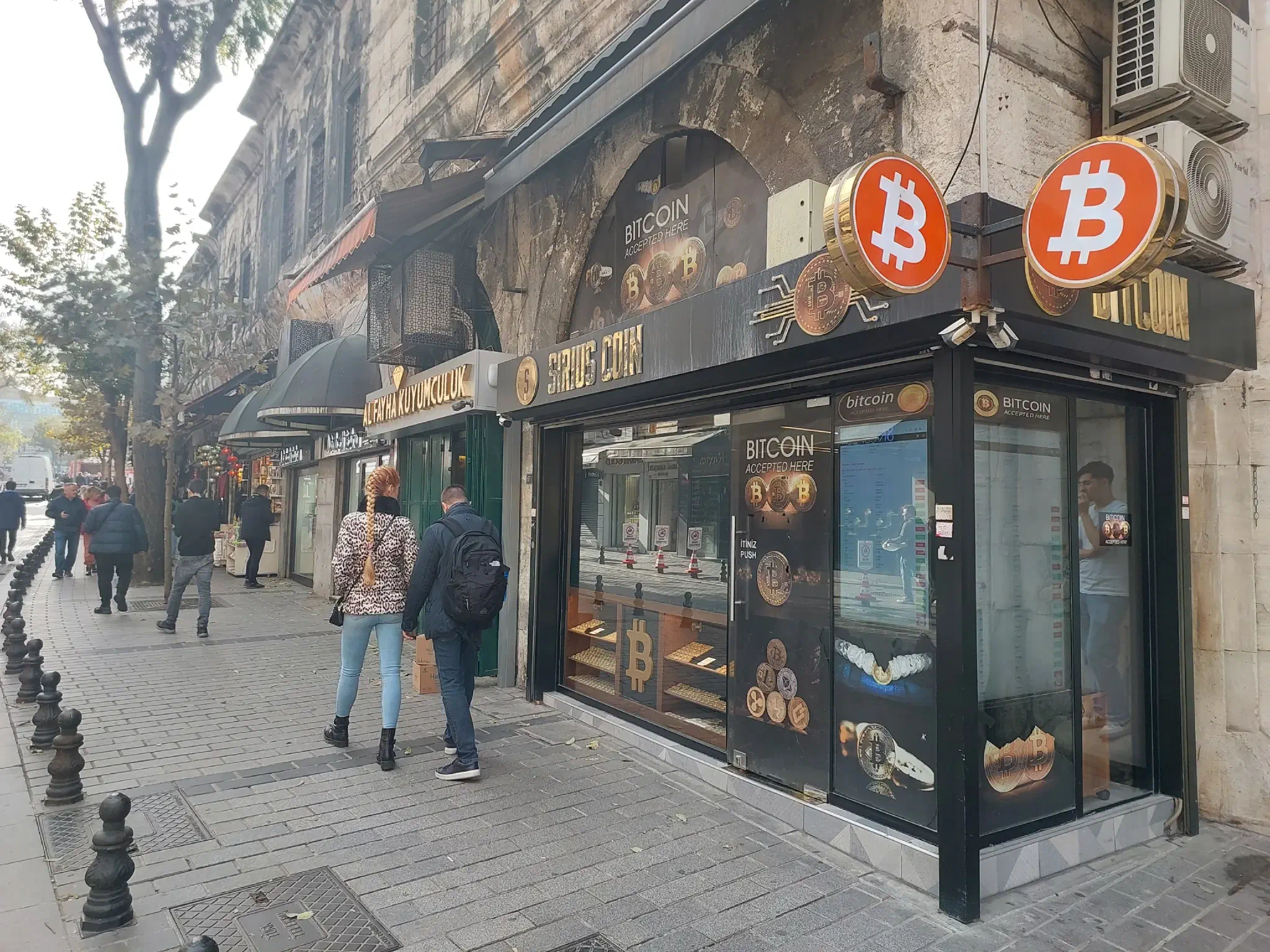
Just outside the bazaar, I walked past an old stone han wearing giant Bitcoin signs. I went in and asked about selling bitcoin — they take stablecoins too, the man said, as casually as a grocer listing what’s in stock. It stayed with me the rest of the day: the old and the new merging without ceremony. These streets have been trading for five hundred years. They’ve simply added a new currency.
Kebab is King
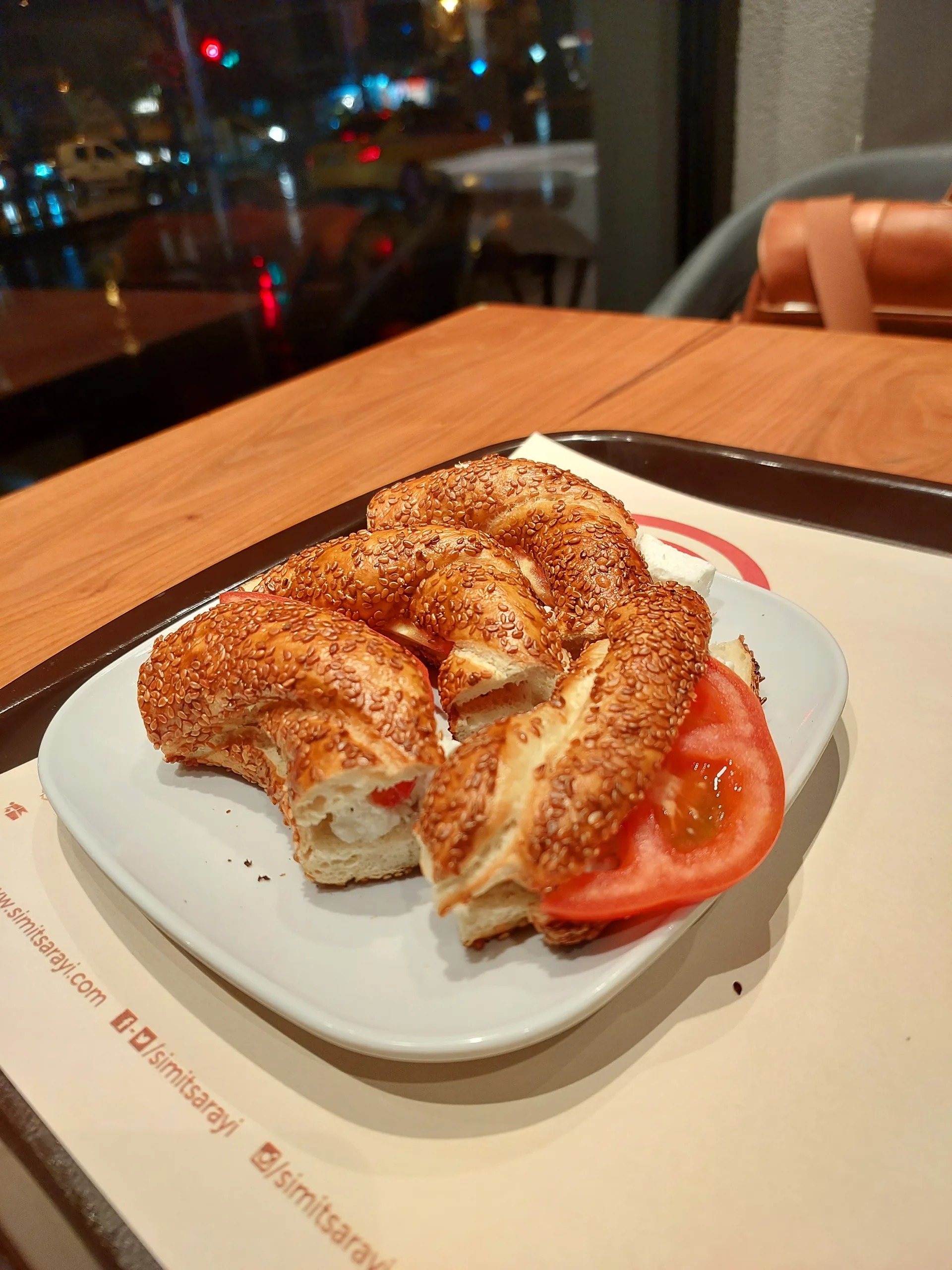
My first food memory of this stay wasn’t planned. Early one morning, heavy rain caught me in the street, and the nearest door was a simit shop. What began as an escape from the weather turned into one of the most delightful moments.
Some of the best meals are the ones the rain decides for you. In heavy rain and cold, with no umbrella in sight, a warm simit, sliced fresh tomatoes, and the city lights still on outside the window felt heavenly.
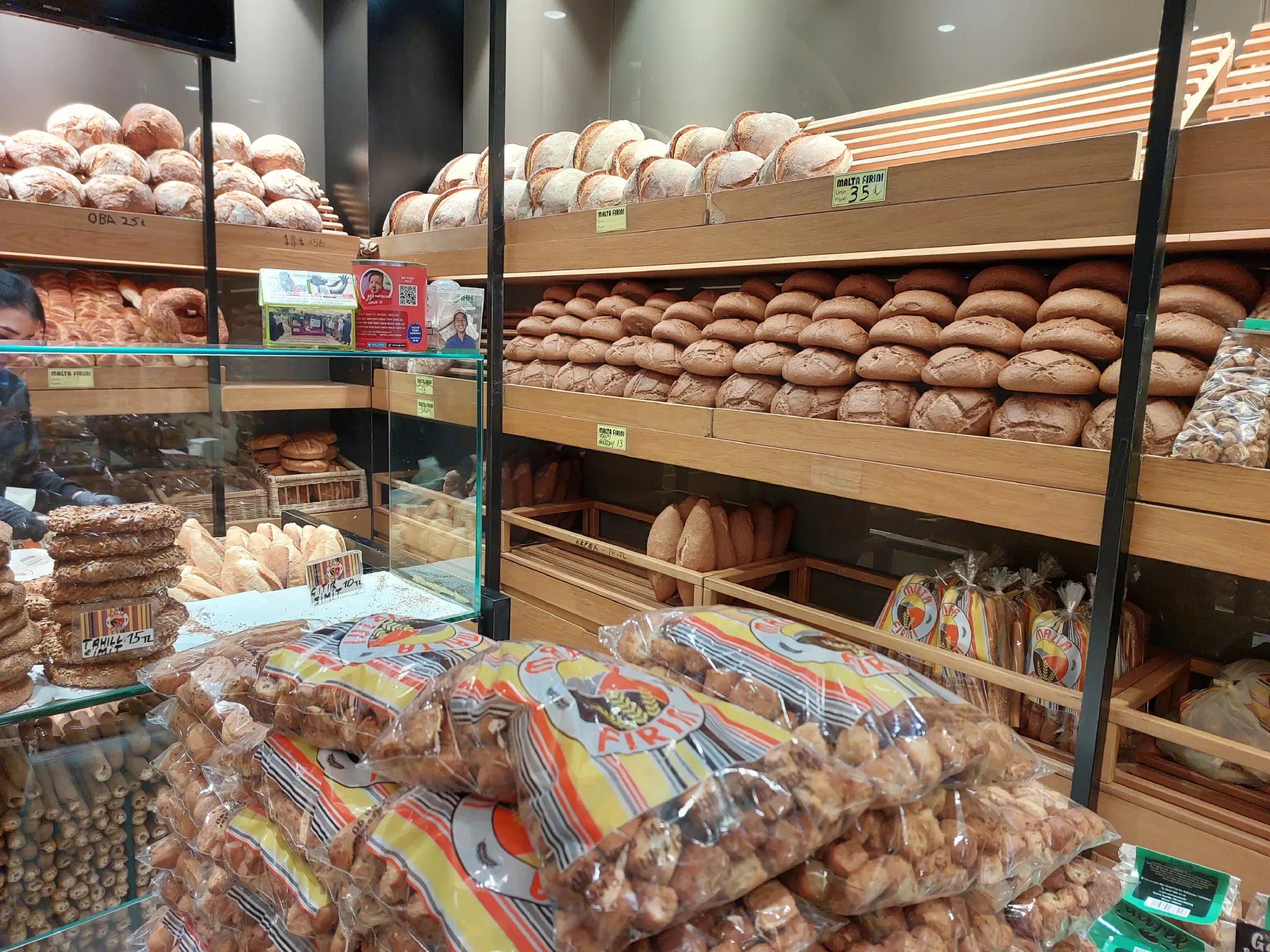
Bread is the baseline of eating in this city — every neighborhood has its fırın, and the shelves never seem to empty.
When it comes to the main event, the streets of Istanbul are flooded with different local and international cuisines. The varieties can be overwhelming at first, but I have not regretted any of the choices I’ve made. Starting with the local foods, Kebab is king in Turkey. The meat is mixed with spices then barbecued either sliced or minced and wrapped over skewers. You never go wrong when you ask for Kebabs in Istanbul.
The two best plates of the month split the crown between them: a proper Turkish Adana and its Persian cousin — found in a tiny Iranian restaurant that Google reviews insisted on, a small underground place a couple of steps below street level. Both won.
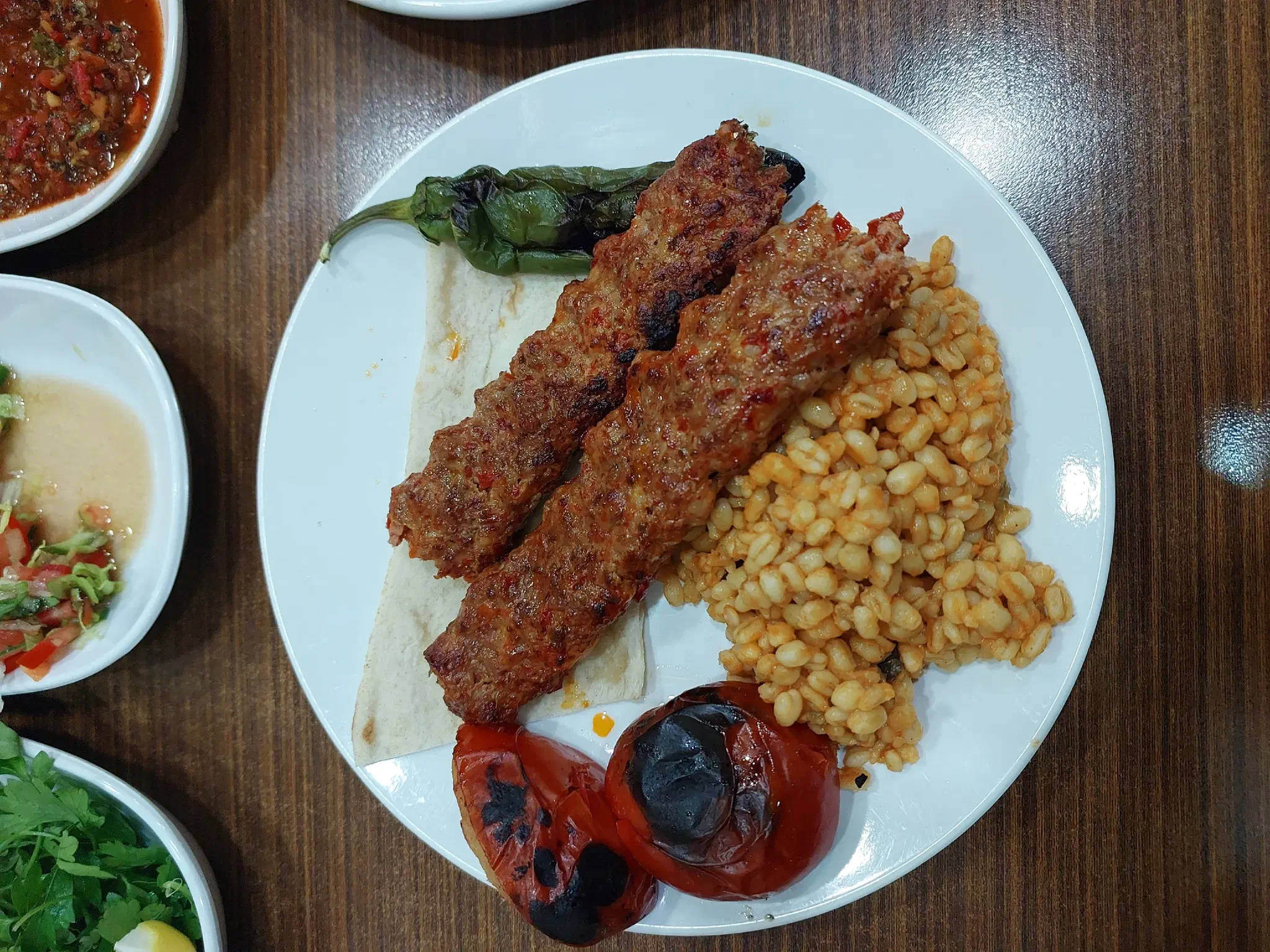
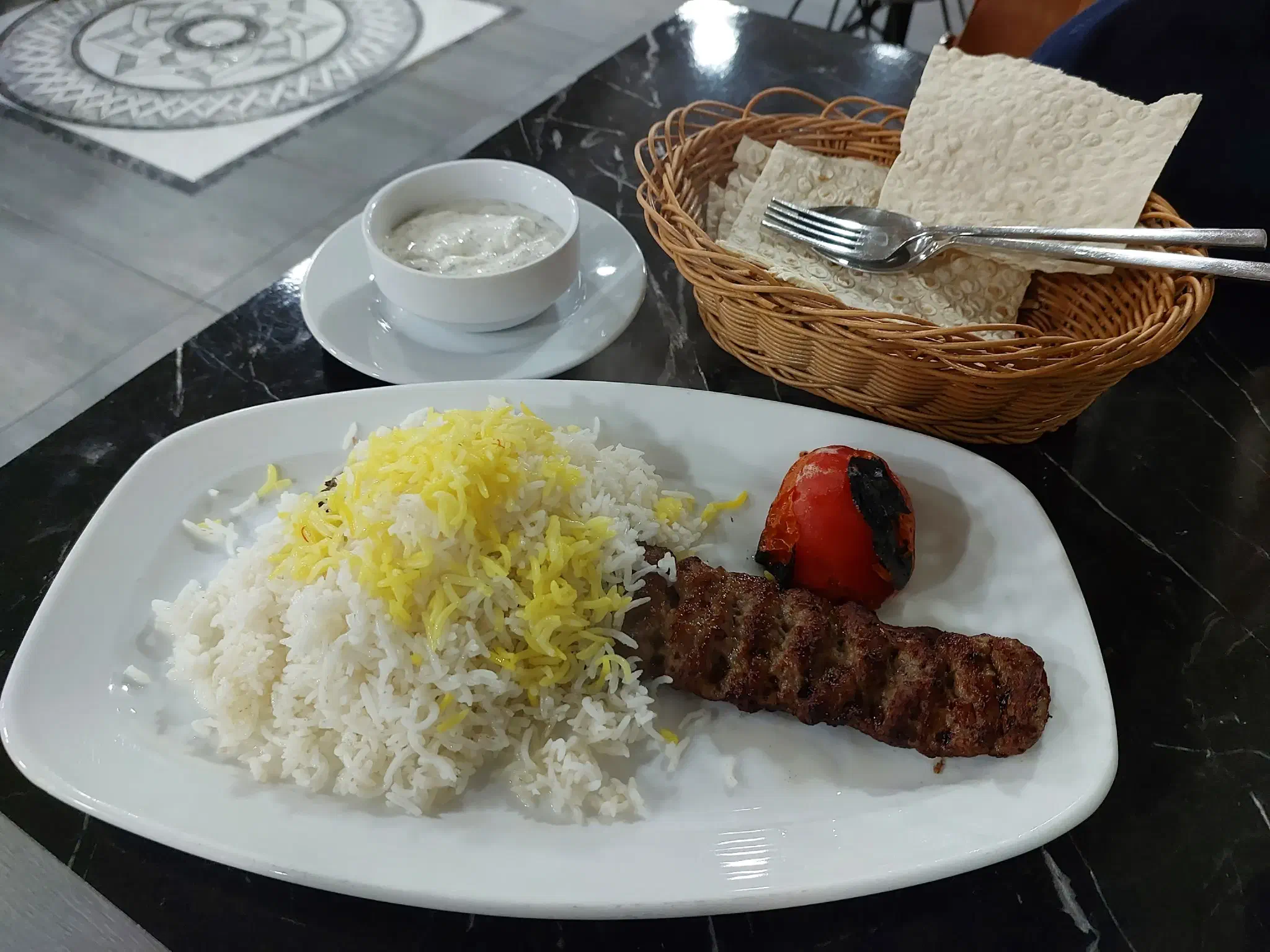
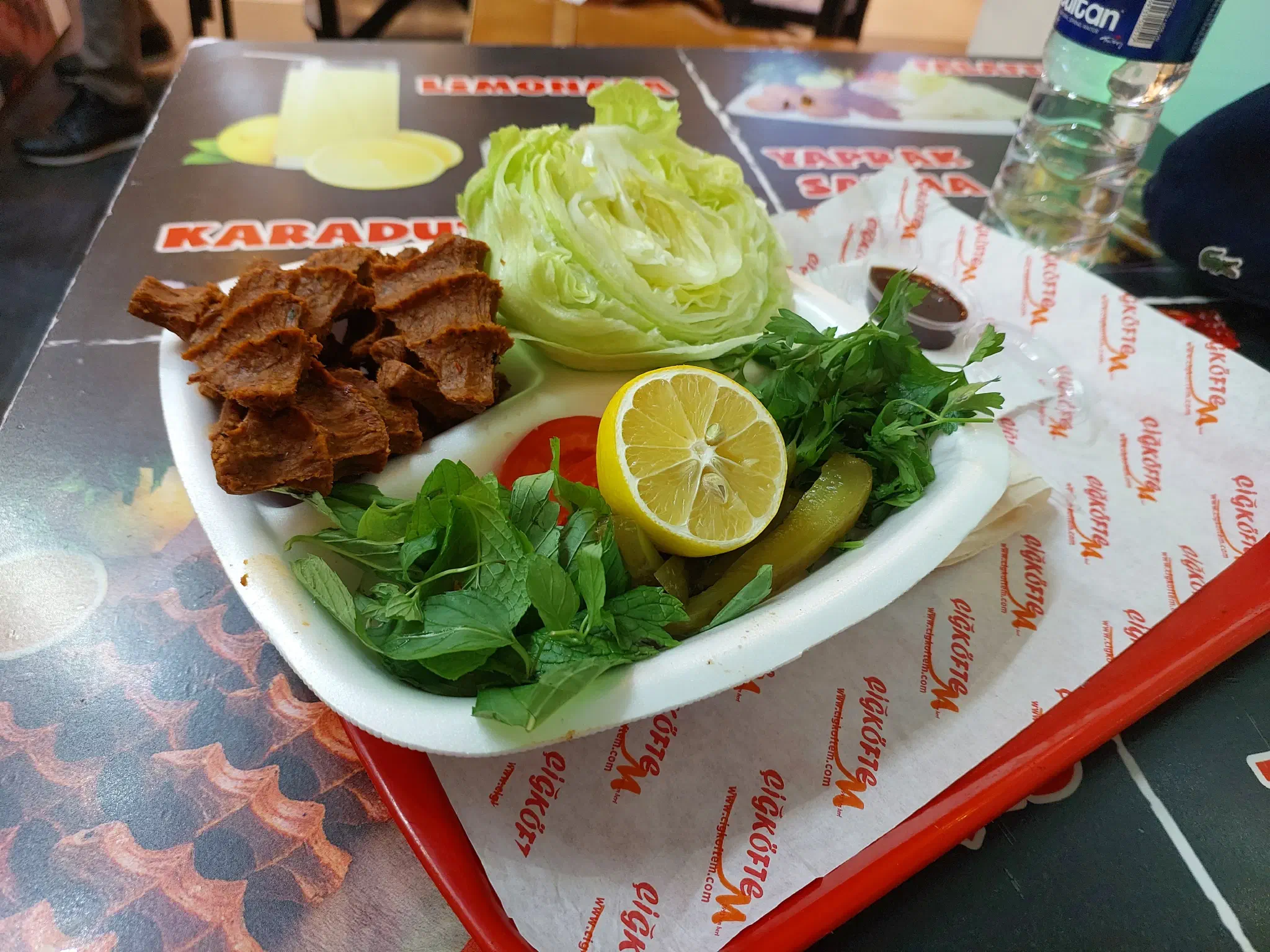
Between the feasts, there are the everyday lunches — pide fresh out of the oven, simit reinvented as a sandwich, and çiğ köfte, the spiced bulgur kind, pressed by hand and wrapped with greens.
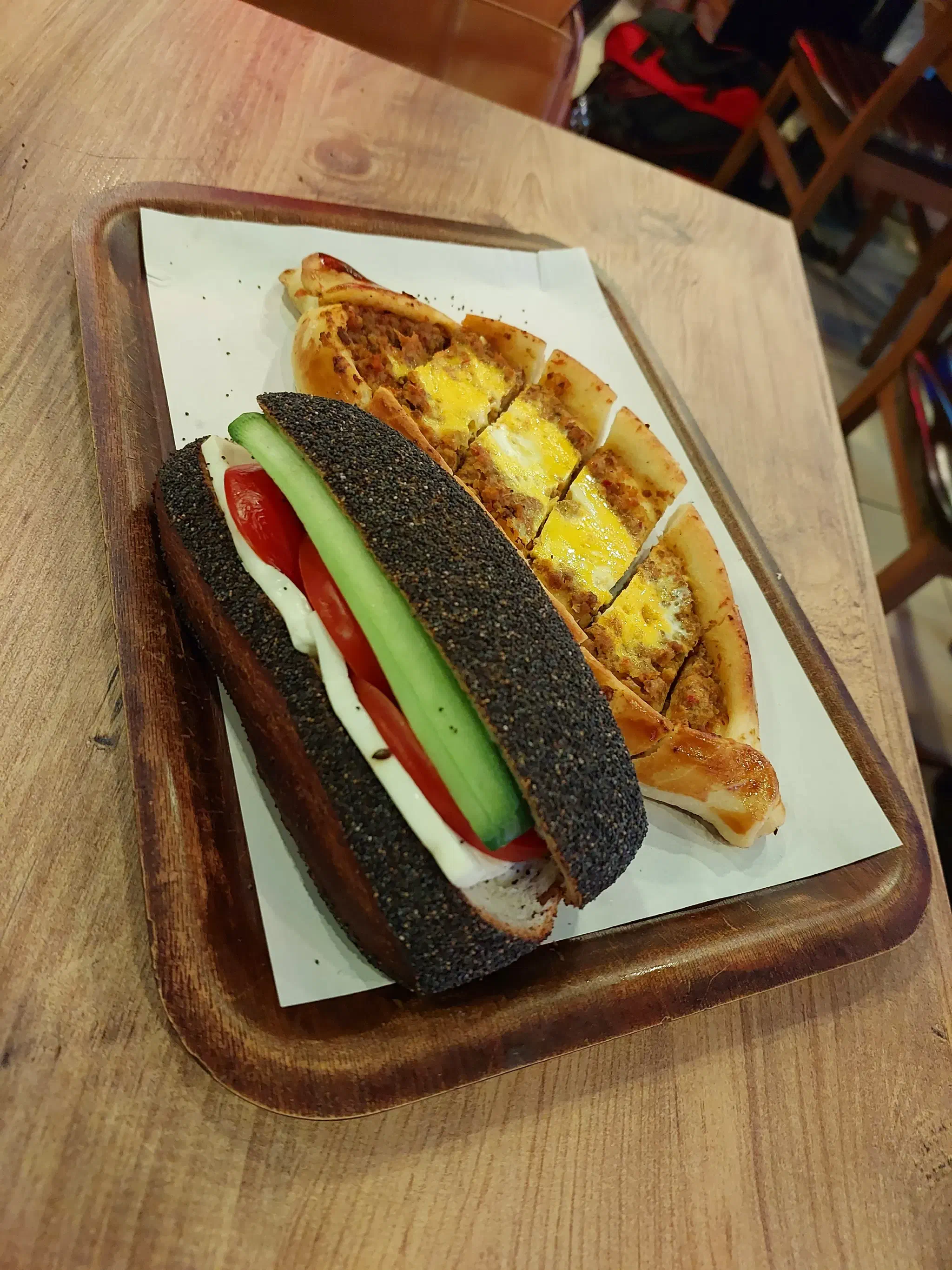
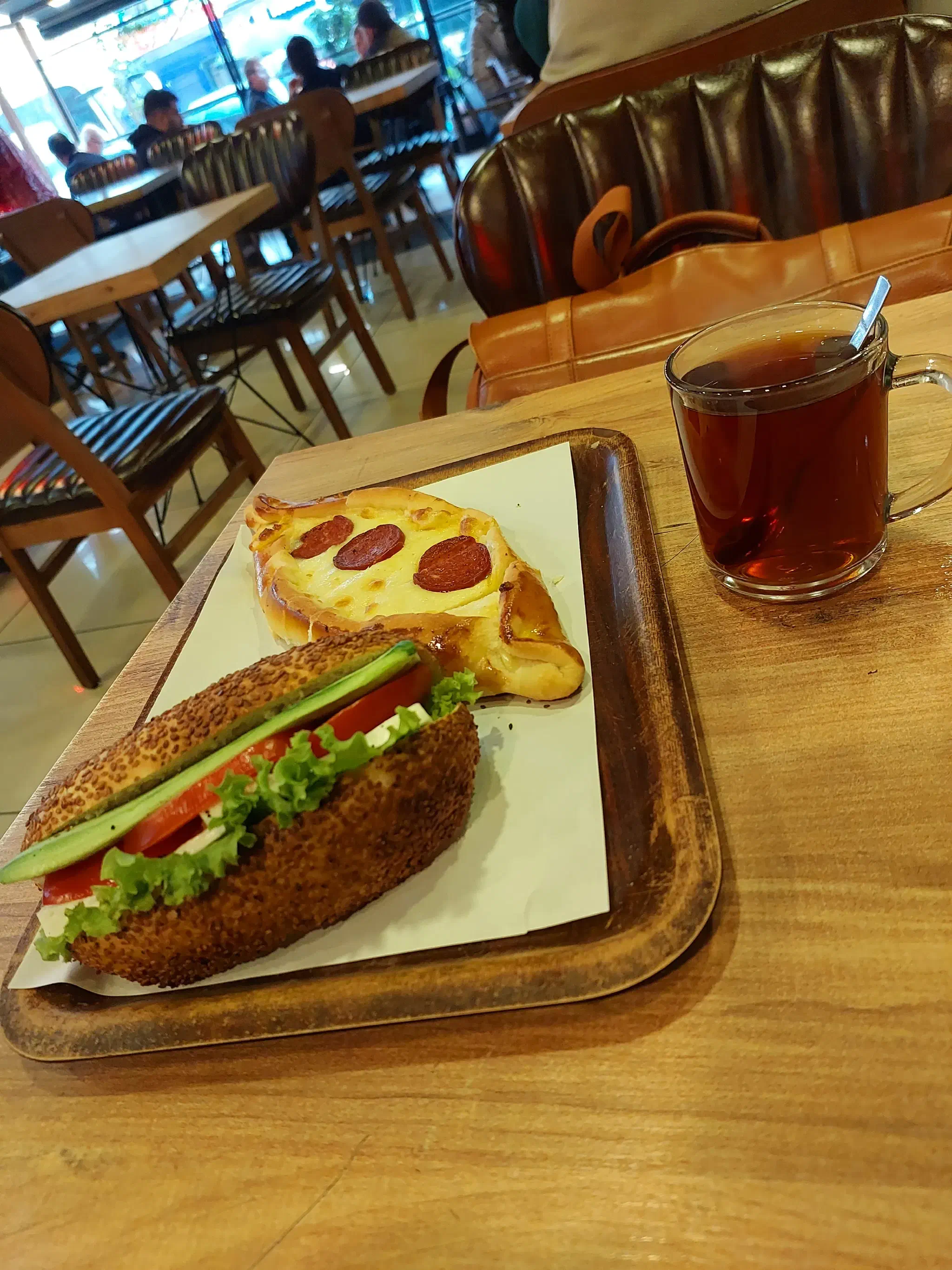
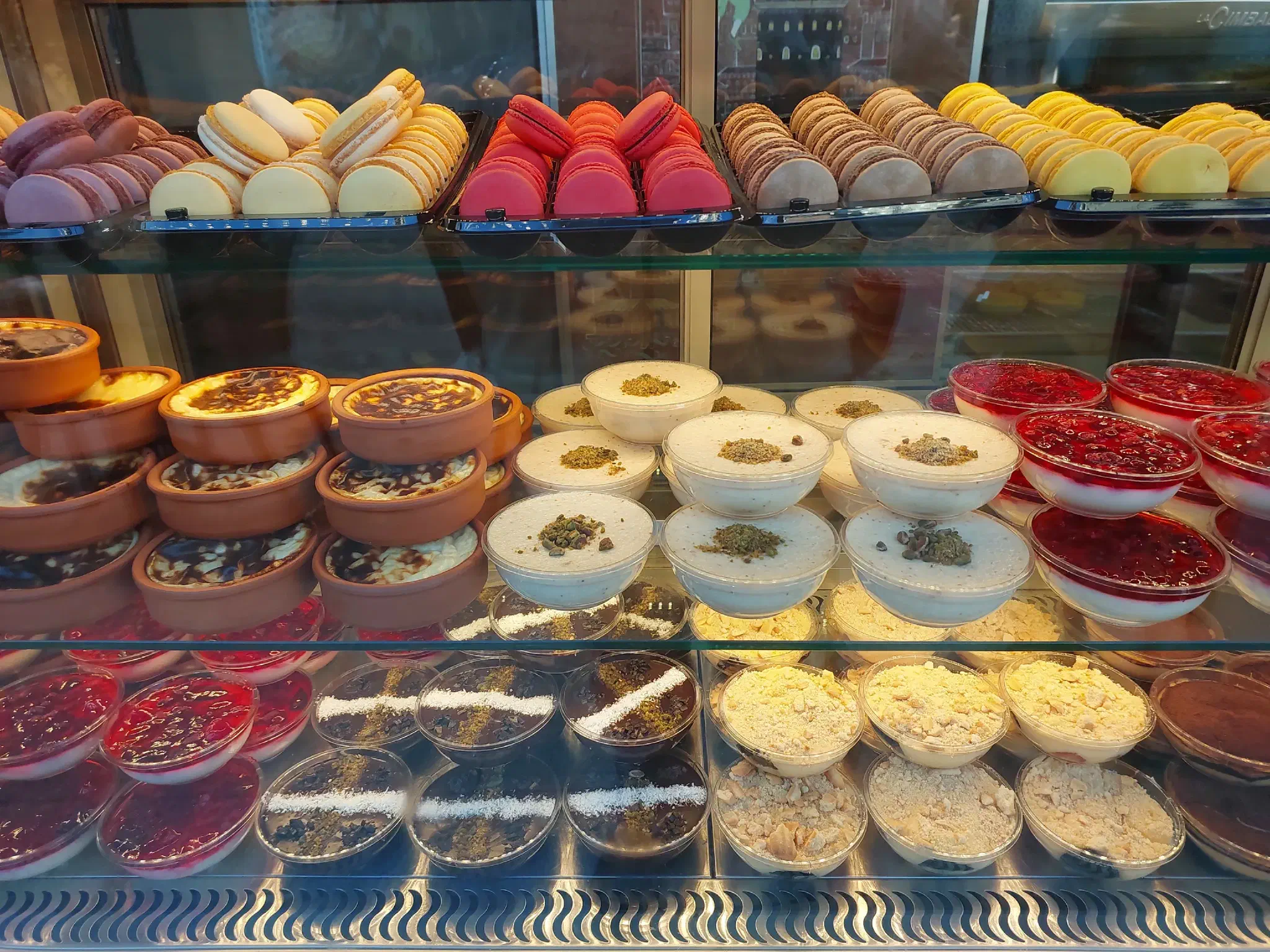
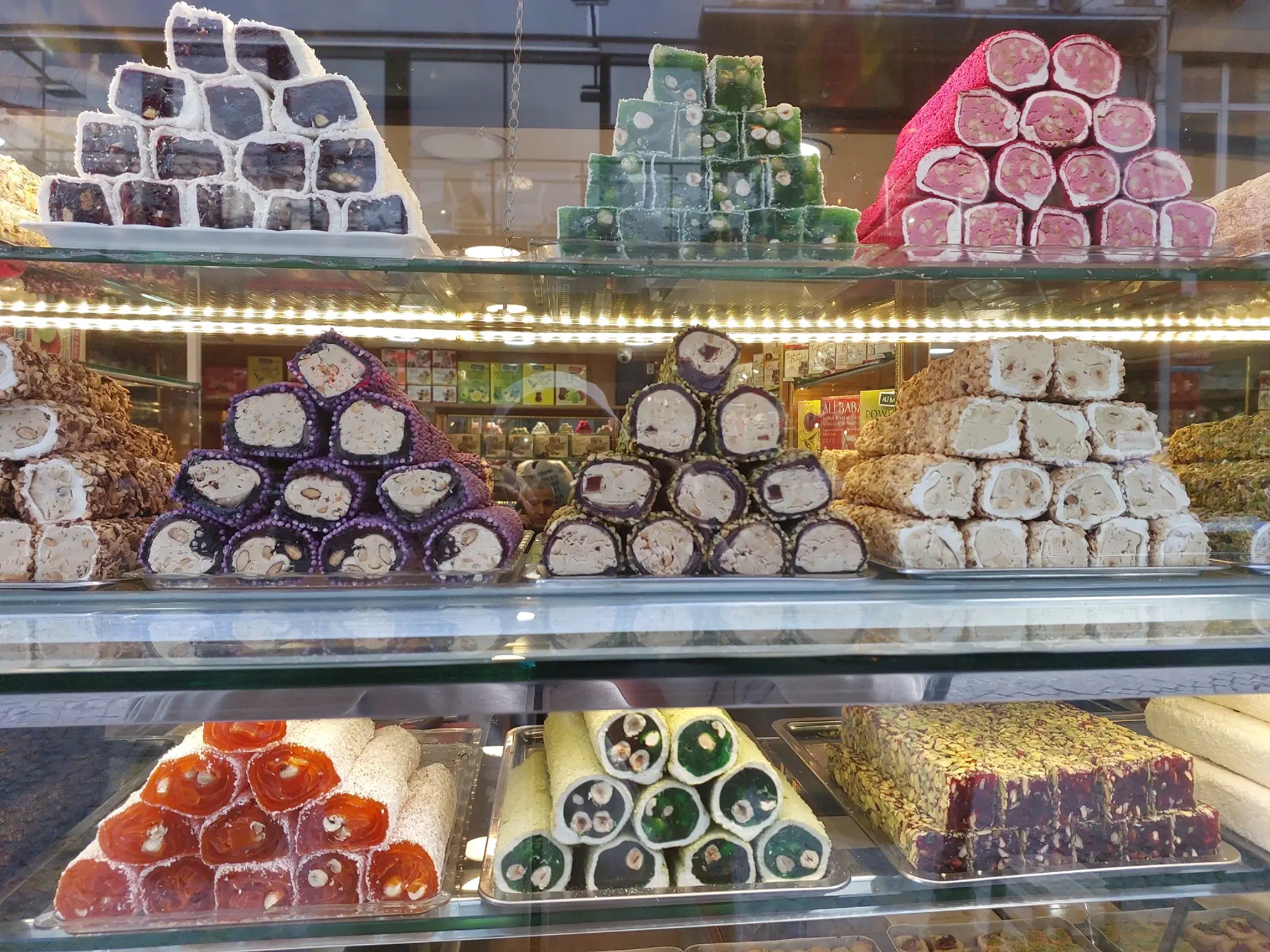
And then there is the sweet tooth the city insists you develop. I developed it willingly — everything behind these windows is exactly as sweet and as filling as it looks.
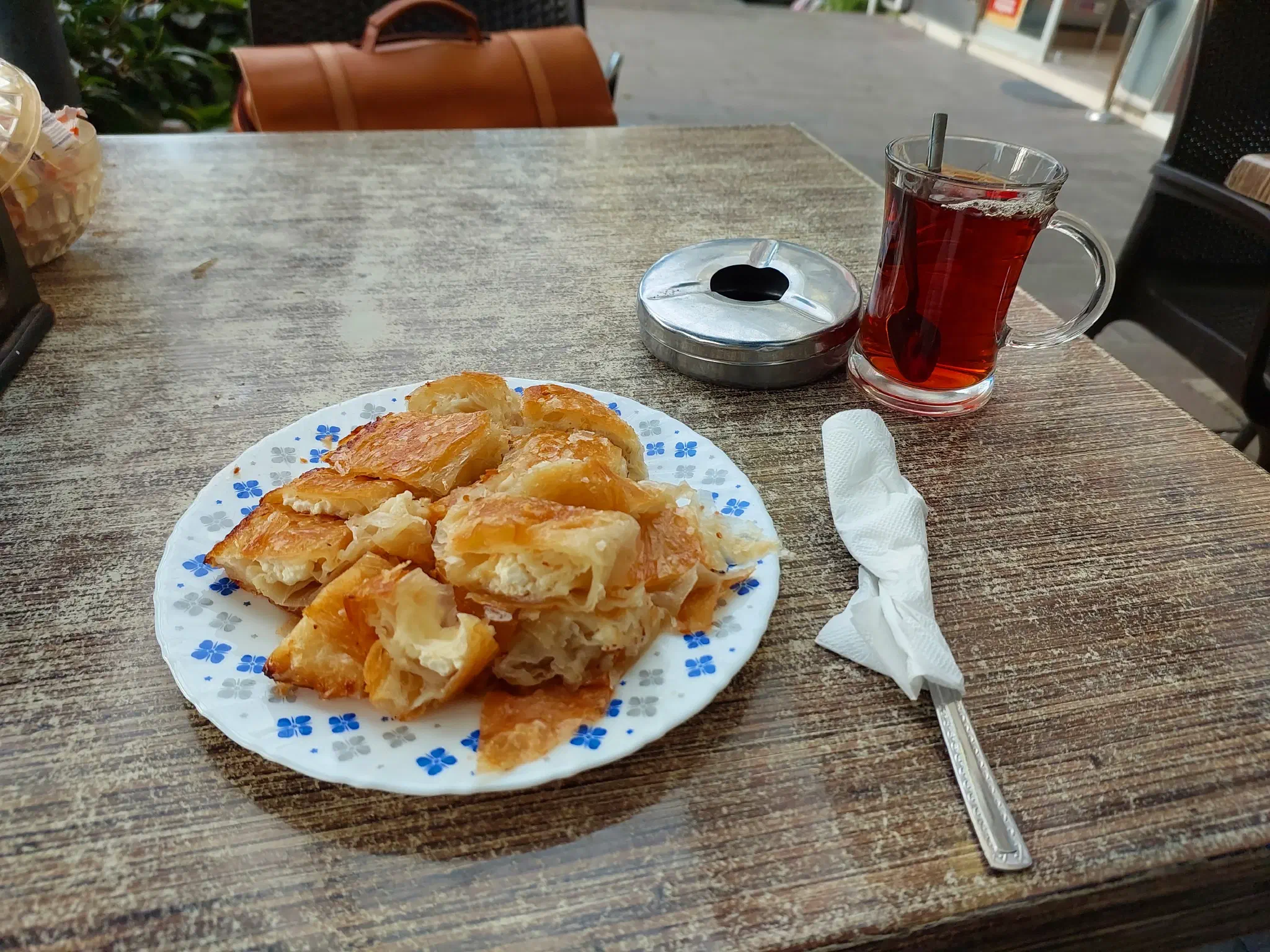
But if kebab is king, çay is the crown. I love tea, and the Turkish way of tea is exquisite — small tulip glasses, strong and dark, with a faint char at the finish. Every time I order it, the tea transforms the moment. No meal here ends until the çay arrives, and nothing about the custom needs improving.
The City’s Other Residents
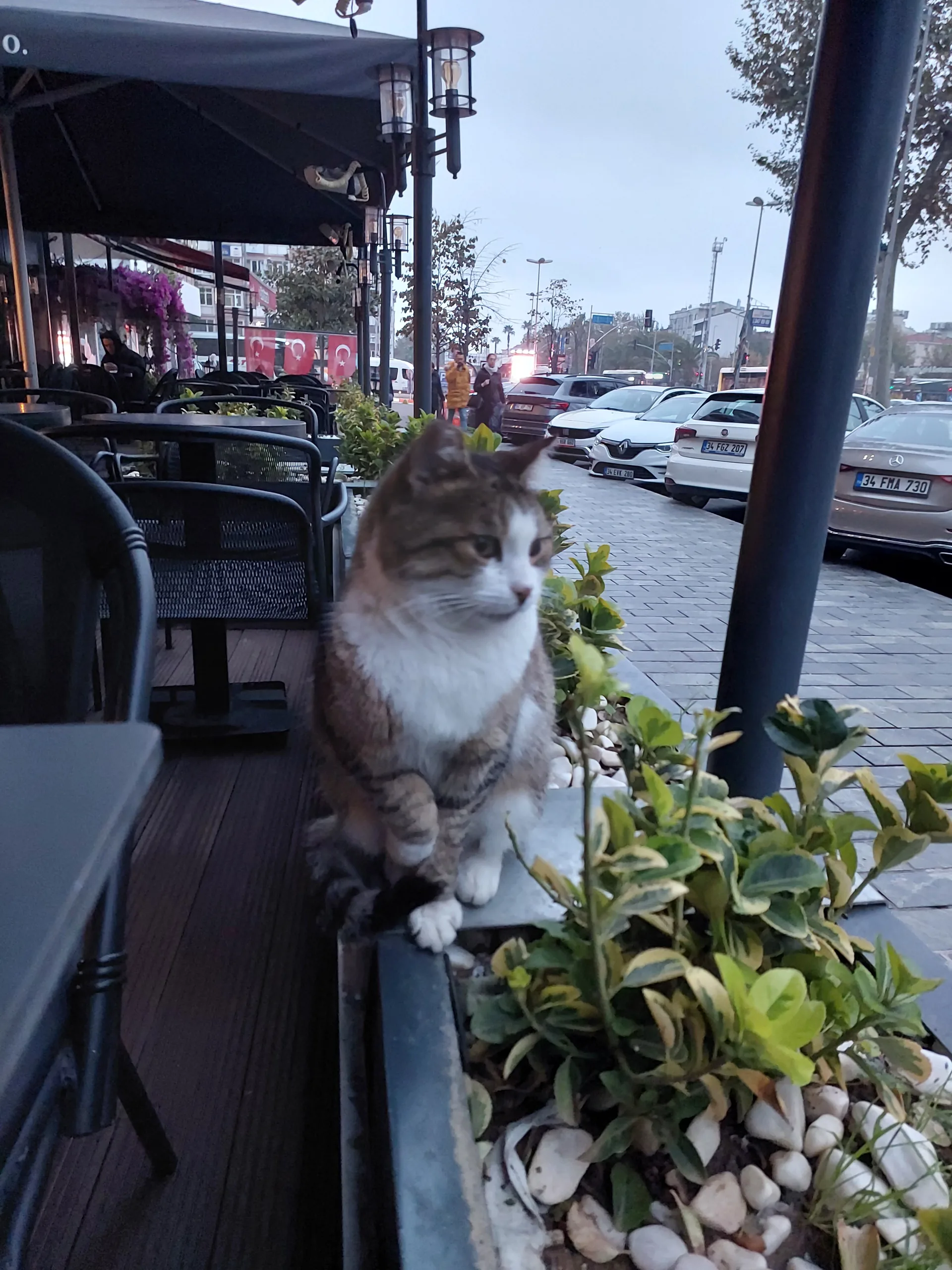
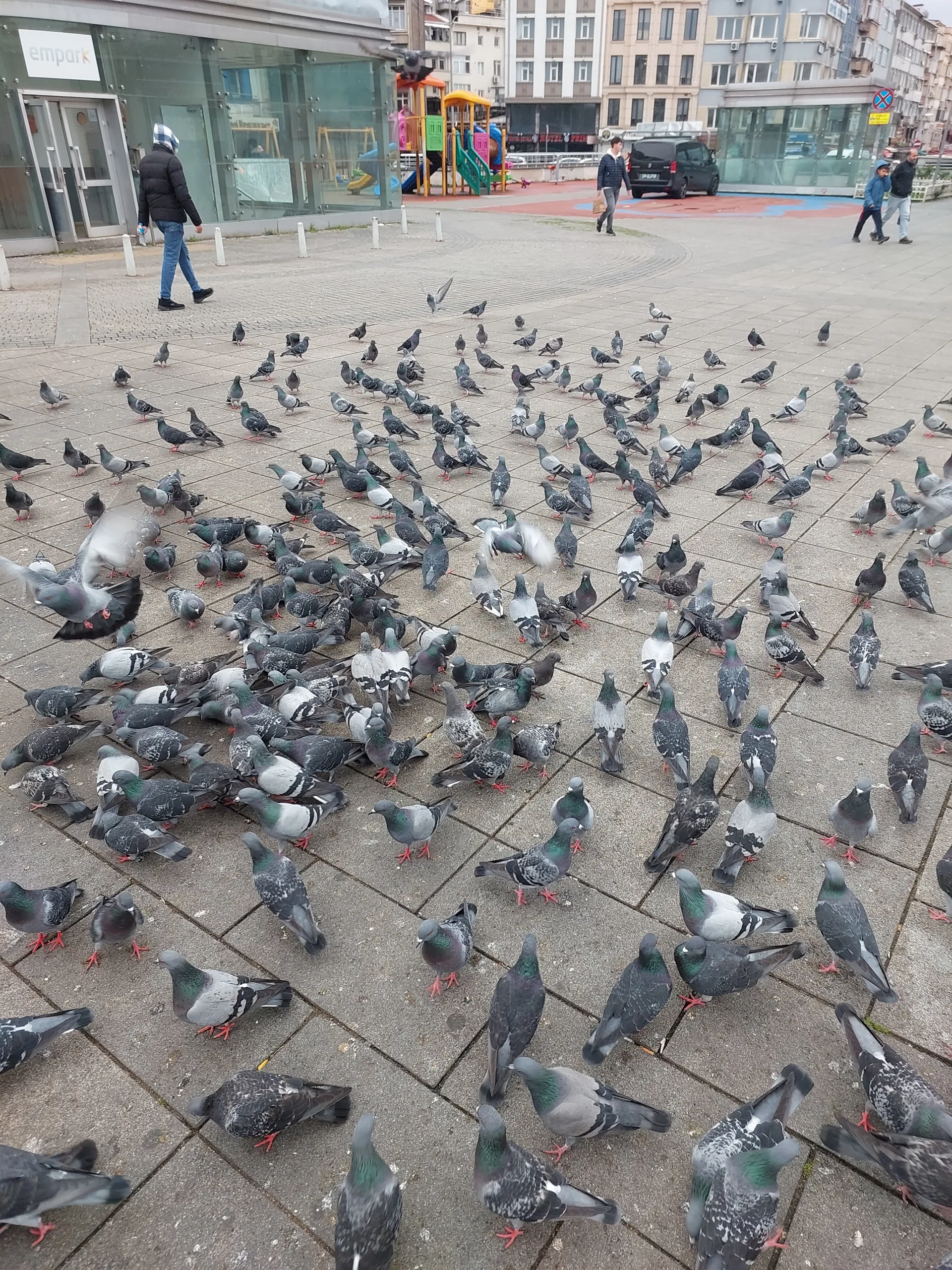
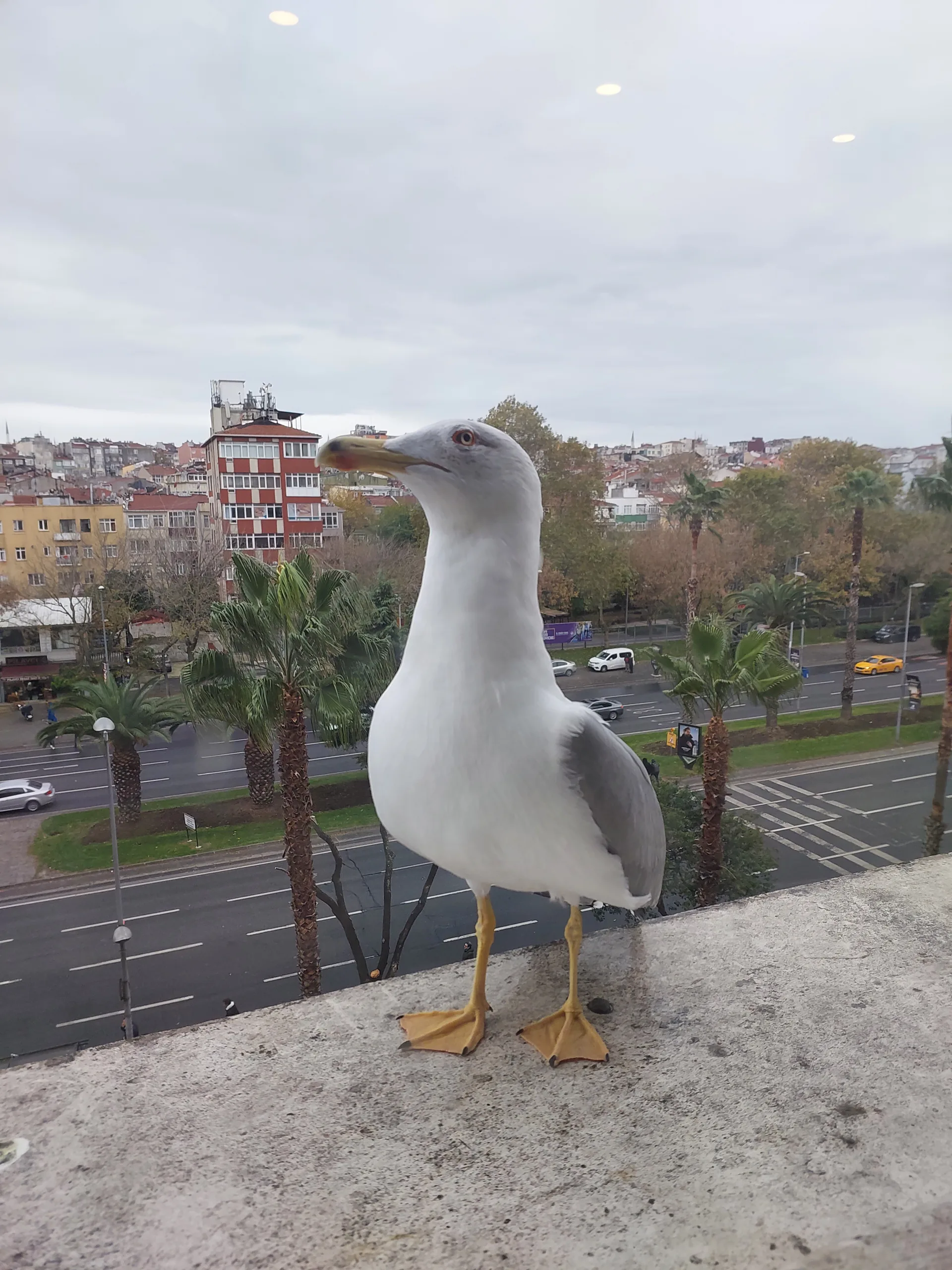
No honest account of Istanbul can leave out its animals. The cats own the cafés, the pigeons own the squares, and the seagulls supervise everything from the railings.
I’m glad I have a home in Istanbul. Arriving here feels like a homecoming, and leaving never feels right — there is always something happening, some new experience I’d otherwise miss, or an old one calling me back. This city gives me the warmth of home with the thrill of Europe at its front steps. Away, yet at home — that is Istanbul